Botanik Seminar
Ein gemeinsames Seminar des Lehrstuhls für Systematik, Biodiversität & Evolution der Pflanzen, der Botanischen Staatssammlung München und des Botanischen Gartens München-Nymphenburg


Ein gemeinsames Seminar des Lehrstuhls für Systematik, Biodiversität & Evolution der Pflanzen, der Botanischen Staatssammlung München und des Botanischen Gartens München-Nymphenburg
| Datum | Referent |
|---|---|
| 14. Oktober | Prof. Dr. Claude Becker |
| 21. Oktober | Kein Seminar |
| 28. Oktober | PD Dr. Bart Nieuwenhuis |
| 4. November | Dr. Maria-Anna Vasile |
| 11. November | Dr. Katharina Schiller |
| 18. November | Dr. Kristiina Mark |
| 25. November | Dr. Serjoscha Evers um 12:15 Uhr im Großen Hörsaal |
| 2. Dezember | wird noch bekannt gegeben |
| 9. Dezember | Prof. Dr. Christian Parisod |
| 16. Dezember | wird noch bekannt gegeben |
| 23. Dezember | Kein Seminar |
| 30. Dezember | Kein Seminar |
| 06. Januar | Kein Seminar |
| 13. Januar | Prof. Dr. Simon Poppinga |
| 20. Januar | wird noch bekannt gegeben |
| 27. Januar | Prof. Dr. Kenneth Dumack |
| 03. Februar | Dr. Joan Casanelles Abella & Julian Maindok |

© Carolin Bleese
Prof. Dr. Claude Becker, Genetics of plant organismic interactions, LMU Biocenter, Munich Germany.
What’s your toxin? How plants use specialized metabolites to shape their environment
Host: Prof. Dr. Gudrun Kadereit
No Seminar

© Carolin Bleese
PD Dr. Bart Nieuwenhuis, Evolutionary biology, LMU Munich, Munich, Germany.
On the evolution of one, two and many compatibility types
Sexual reproduction requires the fusion of two compatible gametes. In most species compatibility is restricted to two types, some species have several or even many types, while others have none and are universally compatible. What drives the evolution and maintenance of these different numbers? In this talk I will discuss the forces driving the loss of mating types and its consequences for dispersal, survival and genetic diversity, drawing on our work in fission yeast. I will then present recent work on the evolution and maintenance of mating-type diversity in the split gill mushroom, a species with roughly 23,000 different types. Together, these systems illustrate how selection can push compatibility toward either extreme, and what this means for the evolution of sex more broadly.
Host: Prof. Dr. Silke Werth

Dr. Maria-Anna Vasile, Botanischer Garten und Botanisches Museum Berlin, Berlin, Germany.
Integrative taxonomy of Boraginales across scales
The Boraginales are a sub-cosmopolitan order of angiosperms comprising approximately 2,700 species, whose higher-level classification has long remained in flux. How can we resolve evolutionary relationships across different taxonomic scales, from major lineages to recently diversified species? In this talk, I will first present our recently published global phylogeny of Boraginales, which have helped to clarify the relationships between major lineages and establish a revised family-level classification. I will then focus on two predominantly Mediterranean/Tethyan lineages, Alkanna Tausch and Onosma L., which exhibit the highest species diversification rates in the tribe Lithospermeae (Boraginaceae). Both genera remain taxonomically challenging, with still unclear species boundaries due to high morphological variability and limited phylogenetic sampling so far. Combining phylogenomics and detailed morphological analyses, as well as herbarium collections and fieldwork, I will discuss the challenges of resolving species boundaries when traditionally diagnostic characters show extensive phenotypic plasticity and/or homoplasy. Together, these studies demonstrate how an integrative approach can enhance our understanding of plant evolution, from global family-level patterns to species-level diversification in Mediterranean biodiversity hotspots.
Host: Dr. Diego F. Morales-Briones

Dr. Katharina Schiller, University of Bielefeld, Bielefeld, Germany.
Regulation of Crassulacean Acid Metabolism on the DNA, Transcript, and Protein Level in Kalanchoë species
Crassulacean acid metabolism (CAM) is a water-saving add-on metabolism making photosynthesis more water use efficient. With the changing climate and growing world population, CAM is a promising avenue for engineering more drought resistant crops. However, the regulation of this trait is still not fully unraveled and no master regulator is known for transcriptional reprogramming upon induction of CAM. In my PhD thesis, I analyzed the regulation of CAM on multiple levels. In the seminar, I will give an overview of the regulatory layers and molecular methods used to study the regulation of CAM in general and drought-inducible CAM in Kalanchoë gracilipes in particular.
While differences of the CAM-related transcript levels between day and night are well described for many CAM species, proteomics analyses of Kalanchoë laxiflora show that these differences barely translate to the protein level. Posttranslational modifications (PTMs) like phosphorylation carry an immense potential to regulate more CAM proteins than the known example of PPC phosphorylation. Phosphoproteomic analysis in K. laxiflora reveals more candidate regulatory phosphorylations and phylogenetic analysis of the conservation of potentially modified amino acids show the potential of PTMs in the regulation of CAM across independent origins.
Finally, I will focus on the role of the transcription factor KgABF1/2 in the role of CAM induction upon drought in Kalanchoë gracilipes. Using RNA sequencing and DNA Affinity Purification sequencing (DAPseq), upregulation of CAM genes at specific times of day can be connected to direct binding of the transcription factor to promoters of these CAM genes. This indicates integration of CAM induction into the existing drought regulon.
Altogether, the results shift the focus from analysis of transcript abundancies to protein abundance, modifications, adaptations, and interactions of transcription factor proteins with promoters of target genes and allow for a more thorough understanding of the complexity of CAM regulation and induction.
Host: Dr. Renata Callegari Ferrari

Dr. Kristiina Mark, Estonian University of Life Sciences, Tartu, Estonia.
The strength and vulnerability of lichen symbiosis in the changing climate
Lichens are complex symbiotic systems in which fungi, photosynthetic partners, and associated microorganisms interact to shape physiological performance and environmental responses. Climate change challenges these partnerships through rising temperatures, altered precipitation regimes, and shifts in species distributions. Understanding the mechanisms underlying lichen resilience and vulnerability is therefore essential, particularly across genetic, physiological, structural, and ecological levels. Earlier evidence indicates that lichens are sensitive to environmental change, with warming reducing biomass and photosynthetic tissue in Evernia mesomorpha. Differences in carbon assimilation among populations of Ramalina farinacea suggest that physiological performance cannot be explained solely by photobiont identity, and thallus structural modifications also shape lichen physiological performance. Nevertheless, acclimation and symbiont exchange may be insufficient to compensate for the rapid pace of contemporary climate change. Increasing vulnerability among Estonian lichens further highlights the importance of habitat conservation. Understanding lichens as integrated, dynamic symbiotic systems is crucial for predicting their responses to climate change and assessing potential consequences for ecosystem functioning and biodiversity.
Host: PD Dr. Andreas Beck

Dr. Serjoscha Evers, Urwelt-Museum Oberfranken, Bayreuth, Germany.
Drivers and constraints in the evolution of the turtle body plan
Turtles have a strongly modified body plan with a rigid shell and an akinetic skull. Despite a Late Triassic origin and a respectable repertoire of ecological specializations, turtles are species-poor today and fossils document low variation of body form over time. In my research, I explore patterns of skull and shell shape evolution in the context of turtle diversification and examine if the presence of the shell acts as an evolutionary constraint on turtle evolvability. For this, my team and I use digitized skeletons of 300 extant and fossil species and combine 3D geometric morphometrics, anatomical network analysis, and phylogenetic comparative methods. Variation in body proportions achieves diversity of body form in many amniotes. Strong, isometric relationships in phylogenetic regressions of humerus-femur-shell lengths show that turtles have strict body proportions that already existed in Triassic turtles. We propose that the presence of the shell limits evolutionary possibilities of proportional variation in turtles. These constraints, paired with low rates of variance accumulation in body proportions over evolutionary timescales are likely explanations why turtles have conservative body plans. Despite constrained body proportions, turtles have ecologically diversified, and we explore cranial innovations as drivers. Early turtle skull evolution is characterized by bone reductions and the establishment of unusual contacts. These strengthen the akinetic skull and form mechanical prerequisites for later innovations, such as neck retraction. Turtle skull shape has strong relations with neck retraction, which evolved in the Middle Jurassic. We hypothesize that the evolution of higher neck mobility weakens the integration of skull and shell, enabling turtles to evolve novel feeding modes that facilitate the Jurassic diversification in aquatic settings. Several feeding ecologies (suction feeding, durophagy) later evolved convergently in different lineages. Anatomical network analysis shows that turtles also experience cranial constraints, by having limited topologies of skull bone connections. Diversity of skull form is more strongly affected by shape changes than by topological variation. Thus, cranial shape evolution explains diversification patterns of turtles, whereas constraints in cranial topology and body form imposed by the shell contribute to high morphological conservatism and low species diversity in the group.
Host: Prof. Dr. Gudrun Kadereit
TBA

Prof. Dr. Christian Parisod, Department of Biology, University of Fribourg, Switzerland.
Whole-genome duplication and ecological radiation in the Alps
Whole-genome duplication (WGD), in which an organism gains an extra complete set of chromosomes, is an important force in plant evolution. However, it is still unclear whether WGD itself directly promotes adaptation to the environment. Our work examines how WGD contributed to plant adaptive diversification using the Biscutella laevigata species complex, a textbook example of diploid and tetraploid taxa whose distribution is associated with climate changes of the Pleistocene.
Genome analyses from across the genus revealed that an ancient WGD event occurred about 11 million years ago. After this duplication, genes responding to environmental stress were preferentially retained, with one of the duplicated copies becoming continuously expressed. Over time, changes in chromosome number led to the evolution of the ancestral diploid forms of B. laevigata that spread into central Europe and became geographically isolated from the onset of the last ice age some 100,000 years ago. About 25,000 years ago, just before the last glacial maximum, a diploid population living at high elevation in a non-glaciated part of the southern Alps underwent another WGD event. This produced autotetraploid plants, which present tetrasomic inheritance and have spread throughout the Alps after the glaciers melted.
Ecological modelling indicated that the tetraploids originated from diploids without shift into a new ecological niche. Both diploid and tetraploid plants indeed occur at high elevations, although they both included populations at low elevations. Using this opportunity to study how differences in the environment have influenced adaptation in both ploidal levels, we have combined whole-genome sequencing with transplant experiments across diploids and tetraploids from low and high elevations in a factorial design. Although tetraploids showed more non-synonymous genetic variation consistent with relaxed purifying selection than the diploids, they also presented a higher proportion of loci involved in adaptation to elevation. This supports the hypothesis that WGD allows genetic variation to accumulate and increases the potential for adaptation. The experiments also showed important differences between the ploidal levels, with tetraploids showing genetic differences in fitness, whereas diploids contrastingly showed substantial adaptive phenotypic plasticity.
The extant to which such differences were caused directly by WGD itself vs subsequent evolution having occurred after WGD was further addressed by comparing natural diploids, artificially created tetraploids, and naturally established tetraploids under both stable and changing temperatures. Although WGD caused immediate changes in phenotypes, changes in gene expression were mainly associated with post-WGD evolution, which also reverted some of the traits toward values typical of diploids. Most of the novel traits and patterns of gene expression in tetraploids however evolved after WGD itself. Importantly, WGD initially reduced survival and fitness, which were compensated by post-WGD evolution and resulted in tetraploids eventually showing higher fitness under stressing environmental conditions.
Overall, this work shows that WGD has distinct roles in plant evolution. WGD itself immediately creates reproductive isolation, helping tetraploids become genetically independent from their diploid ancestors. Promoting the accumulation of genetic variation, it further improves adaptation to challenging environments and increases stress tolerance within a few thousand generations following WGD.
Host: Anna Pasinato
TBA
No Seminars
Prof. Dr. Simon Poppinga, Technische Universität Darmstadt, Darmstadt, Germany.
From Carnivorous Plants, Exploding Fruits, and Medicinal Leeches: Insights into the Biomechanics and Functional Morphology of Biological Movement and Attachment Mechanisms
Host: PD Dr. Andreas Fleischmann
TBA
Prof. Dr. Kenneth Dumack, Universität Koblenz, Koblenz, Germany.
TBA
Host: Dr. Anže Žerdoner Čalasan
Dr. Joan Casanelles Abella & Julian Maindok, Urban Productive Ecosystems, TUM, Munich, Germany.
Fantastic urban plants and where to find them: what have we learnt from our urban studies?
Urban plants are increasingly recognised not only as elements of urban greening, but as active components of productive ecosystems that shape ecological, social and cultural life in cities. In this talk, we present a summary of research on urban flora conducted in Swiss (i.e., Zurich, Geneva, Lugano) and German (i.e., Munich, Berlin) cities across a range of urban green spaces, including community gardens, parks, and ruderal sites. We present our results on patterns of plant diversity, and its drivers, taxonomic and naturalistic notes, and ongoing initiatives to improve plant communities within the cityscape for both people and nature.
Host: Dr. Simon Pfanzelt

Abstracts
No Seminar

Dr. Garima Singh, Department of Biology, University of Padova, Padua, Italy.
Why Fungi Matter: Linking Diversity, Evolution, and Chemical Innovation
Fungi occupy an unusually broad ecological and cultural spectrum. They are integral components of the ecosystem, and our lives, essential to food and fermentation. They are prolific producers of bioactive compounds, and, at times, serious agents of disease in plants and humans. This diversity of roles is not accidental but is deeply rooted in the extraordinary evolutionary and chemical diversity of the fungal kingdom.
A central feature of fungal diversity is the evolution of secondary metabolism and related pathways. The genetic machinery underlying secondary metabolism has evolved in highly dynamic and lineage-specific ways across the fungal tree of life, shaped by ecological pressures and lifestyle transitions. This is reflected in the selective gain, loss, and diversification of biosynthetic gene clusters across different fungal groups. As a result, fungi display a magnitude of diversity in their capacity for biotic and abiotic inetreactions, while also forming the molecular basis of many compounds of pharmaceutical and industrial relevance.
The evolution of secondary metabolism is therefore of twofold interest: it provides insight into its evolutionary consequences and diversification, while also highlighting the taxa with potential industrial applications. However, understanding how this chemical and genomic diversity is distributed across fungal lineages, and identifying the most promising resources, remains a major challenge.
In this talk, I will discuss how comparative genomics and computational approaches, integrated with the biology of secondary metabolism, can be used to dissect the ecological and evolutionary drivers of fungal chemical diversity. By using integrative omics to explore biosynthetic potential and its link to fungal ecology and evolution, we can uncover how chemical diversity arises and identify ecologically and industrially relevant metabolic pathways.
Host: PD Dr. Andreas Beck

Dr. Marion Müller, TUM School of Life Sciences, Chair of Phytopathology, TUM, Munich, Germany.
Co-evolution of obligate biotrophic powdery mildews with their cereal hosts
Species of the grass powdery mildew pathogen genus Blumeria infect wild grasses and cereal crop plants with a high degree of host specificity. The evolutionary history of the Blumeria species complex is highly dynamic and includes multiple host jumps and hybridization events. However, the fungal and plant genes that determine infection success of individual Blumeria lineages on their respective hosts remain largely unknown. Consequently, our understanding of the molecular basis and evolutionary origins of host specificity in this pathosystem is still incomplete. Our group therefore aims to identify and characterize host and pathogen genetic factors that determine interaction outcomes and drive co-evolutionary dynamics between Blumeria lineages and species and their corresponding hosts. In addition, fungal avirulence genes that underlie avirulence on host genotypes carrying corresponding resistance genes are major drivers of pathogen population dynamics. Our group combines comparative genomics, novel genetic assays, and experimental evolution to dissect these processes. By identifying coevolving pathogen and host loci, we aim to resolve the drivers of past and ongoing pathogen evolution.
Host: Dr. Anže Žerdoner Čalasan

Dr. Nicole Estrella, TUM München, Ökoklimatologie, Munich, Germany.
Late Frost Risk of Native and Future Alternative Tree Species
This presentation introduces the results of our experimental late‑frost project. During leaf development, branches of 55 native and potentially future tree species were collected and exposed to two frost temperatures. The aim was to analyse late‑frost risk in the context of climate change and thereby provide decision support for a future‑oriented and climate‑adapted selection of tree species.
Climate change is increasingly leading to earlier leaf emergence, yet even after unusually mild spring months, the risk of late frost periods persists, which can damage already advanced leaf or flower development. It is also well known that frost temperatures represent a major abiotic factor that largely determines the geographical distribution of tree species. However, for many species still only limited information is available regarding their frost sensitivity during leaf development.
Our frost‑resistance experiments confirmed an increase in frost damage in later phenological stages. The timing of budburst and leaf emergence correlated with frost sensitivity. Climax species showed stronger frost damage at budburst than pioneer or intermediate species.
Our results demonstrate that frost resistance varies considerably both between species and between developmental stages and is influenced by various plant traits. Therefore, continued emphasis should be placed on diversifying tree‑species selection to enhance forest resilience. Some non‑native species that demonstrably exhibit high frost resistance may also represent a meaningful addition to the native species spectrum—provided they are site‑appropriate and show no invasive potential.
Host: Dr. Andreas Gröger
Dr. Thibaud Messerschmid, SNSB, Botanischer Garten München-Nymphenburg, Munich Germany.
Guided tour through the exhibition “Succu… what?”
Meeting point for the tour: 1:15 pm in front of the greenhouse

Prof. Dr. Veronica G. Maurino, Universität Bonn, Bonn, Germany.
The evolutionary history of C4-NAD(P)-ME: case studies in Cleomaceae and Poaceae
C4 photosynthesis has evolved repeatedly in flowering plants and has given rise to distinct biochemical subtypes, defined by the primary enzyme releasing CO2 near Rubisco: the NADP-malic enzyme (NADP-ME) and NAD-malic enzyme (NAD-ME) subtypes. In this talk, I will examine the evolutionary history of the C4-decarboxylases through two case studies: NADP-ME in Poaceae and NAD-ME in Cleomaceae. In grasses such as maize and sorghum, a plastidic non-photosynthetic NADP-ME was co-opted through gene duplication and neofunctionalization, giving rise to a C4-specific enzyme with enhanced catalytic efficiency, malate-dependent regulation, and a stable tetrameric structure. Structural, biochemical, and mutational analyses revealed how adaptive amino acid substitutions and remodeling of terminal regions and subunit interfaces underpinned this transition. In Cleomaceae, by contrast, the evolution of C4-NAD-ME followed a different route. Here, mitochondrial NAD-ME is a heteromeric enzyme composed of α- and β-subunits, and in the independently evolved C4 species Gynandropsis gynandra and Cleome angustifolia, distinct α/β complexes emerged after duplication and differential adaptation of β-subunit genes. One α/β1 complex was recruited for the C4 cycle, whereas α/β2 retained the housekeeping respiratory role. More broadly, comparison across NAD-ME C4 lineages suggests that different subunits could be preferentially recruited during evolution: while Cleomaceae involved duplicated β-subunits, patterns in Caryophyllales point to a possible greater involvement of the α-subunit. Together, these examples highlight both the diversity and the recurrent logic of evolutionary trajectories that generated efficient C4 decarboxylases. They also show that C4 decarboxylases evolved through different lineage-specific routes, but according to similar underlying evolutionary principles.
Host: Dr. Renata Callegari Ferrari

Prof. Dr. Richard Beckett, School of Life Sciences, University of KwaZulu Natal, Pietermaritzburg, South Africa.
Photoprotection in lichens: adaptations of photobionts to high light
This talk will review the ways that lichens acclimate and adapt to their light environment, in particular in response to high light. While light is essential for photosynthesis, lichens often absorb more light than their photobionts can use for carbon fixation, and as a result potentially harmful reactive oxygen species (ROS) can be formed. However, lichens are poikilohydric organisms and spend much of their lives in the desiccated state. Light will only drive or inhibit photosynthesis when lichens are hydrated. Therefore, the “light environment” of a lichen at a particular moment is determined by both the photosynthetically active radiation (PAR) and also the thallus water status. Lichens growing in shaded microhabitats e.g. on the trunks of woodland trees experience considerable short term (seconds to minutes) changes in light levels due to gaps in the canopy and diurnal variations in the angle of sunlight, and movements of tree branches. The relatively brief periods that lichens are exposed to high light levels are known as “sunflecks”. By contrast, lichens growing in exposed microhabitats may receive photoinhibitory levels of light typically early in the morning, before they dry out. While the mechanisms used by lichens from varying microhabitats may differ, it seems likely that a common set of core mechanisms exists. Tolerance can occur by “avoidance” strategies that reduce ROS formation, via synthesizing light screening pigments or by thermally dissipating or “quenching” the excess light energy absorbed. “True tolerance” strategies involve scavenging ROS once formed or by repairing ROS-induced damage. These mechanisms will be reviewed, with an emphasis on recent findings on first the role of melanins as light screening pigments and second on mechanisms of thermal dissipation. It is becoming apparent that thermal quenching can be increased by stresses other than light, probably because any stress that damages the photosynthetic apparatus will further increase light-induced ROS formation. Results will be presented showing that treatment with moderate light in combination with stresses such as chilling, heat and heavy metals can increase quenching more than light alone. The lecture will conclude with perspectives for future research.
Host: Prof. Dr. Silke Werth

© Sarah Jonek Fotografie
Prof. Dr. Caroline Müller, Chemical Ecology, Universität Bielefeld, Bielefield, Germany.
Impacts of plant chemodiversity on the environment and vice versa
Chemical diversity, or chemodiversity, is a fascinating trait that is attracting increasing attention due to its diverse ecological functions and intriguing evolution. The variation in chemical phenotypes of organisms plays a fundamental role in shaping species interactions, and can be studied using different metabolomics approaches in combination with laboratory and field bioassays. Inter- and intraspecific chemodiversity of plants influences the specific outcome of plant-herbivore, plant-pollinator and also plant-microbe interactions. Moreover, not only the individual plant chemodiversity matters, but plant neighbourhood chemodiversity is likewise very important for driving antagonists and mutualists and thus impacting plant fitness, as I will demonstrate using our data on the highly chemo-diverse, aromatic plant species Tanacetum vulgare. In turn, plant chemodiversity is modulated by abiotic and biotic challenges acting alone and in combination on the plant. Chemodiversity at various levels also influences niche realisation processes, such as niche choice, conformance and construction of individuals. I will highlight several examples of the intriguing functions of plant chemodiversity.
Host: Anna Pasinato

Dr. Thomas L.P. Couvreur, Institut de Recherche pour le Développement (IRD), Montpellier, France.
Pushing the frontiers of the metaherbarium to understand tropical rain forest evolution
Tropical rain forests are the most diverse ecosystems on Earth, yet the origins of this extraordinary diversity remain one of biology’s enduring questions. How did this richness arise, and why is it distributed so unevenly across the tropics?
In this talk, I will share insights from the ERC-funded GLOBAL project, which uses the pantropical plant family Annonaceae, comprising around 2,500 species worldwide, as a window into the evolutionary history of tropical rain forests. By assembling a near-complete phylogenomic framework, including more than 80% of all species, we reconstruct a long-term view of how Annonaceae diversity has originated and diversified for during the 100 million years.
At the heart of this project lies the concept of the “metaherbarium”: herbaria and associated collections are viewed as a globally connected, data-rich system. By linking specimens, historical collections, modern genomic tools and novel approaches, we transform centuries of botanical exploration into a dynamic resource for addressing fundamental questions in biodiversity science. Notably, around 65% of our samples were obtained directly from herbarium specimens, including type material collected as early as 1795, highlighting the enduring scientific value of these collections.
Macroevolutionary analyses of this near-complete phylogenetic tree of Annonaceae reveals a more dynamic history of tropical rain forests than previously thought, with repeated phases of diversity expansion and decline rather than a simple constant accumulation of species over time. We also inferred that the processes shaping diversity are not uniform, but vary across regions, reflecting distinct environmental histories.
To understand what determines Annonaceae diversity, we analyzed over 100 environmental and evolutionary variables from local to global scales, uncovering large-scale geographic regions where similar processes structure biodiversity, even across different continents. At the same time, our work highlights how future biodiversity loss may disproportionately affect deep evolutionary lineages and key functional groups.
Finally, I will explore how new technologies are extending the reach of the metaherbarium even further. Near-Infrared Spectroscopy offers a rapid and non-destructive way to extract information from specimens, opening new possibilities for species identification and for prioritizing samples for genomic work. Together, our results show that herbaria are not only archives of the past, but living infrastructures for understanding and ultimately helping to conserve the future of tropical biodiversity.
Host: Dr. Luo Chen

Dr. Sebastian Mortimer, Systematics, Biodiversity, and Evolution of Plants, LMU Munich, Munich, Germany.
Dimensions of diversity in polyploid strawberries
Hybridization among strawberries has been studied for nearly 250 years, yet we are still learning new things about their evolutionary history. Strawberries were the subject of the first phylogenetic network in plants by Antoine Nicolas Duchesne. Though he was not aware of polyploidy some of his hypotheses have stood the test of time. Allopolyploidy is rampant within the genus Fragaria. Essentially every ploidy from diploid (2x) to decaploid (10x) is represented at least once in the genus. Additionally, most polyploid wild strawberry species are either gynodioecious, subdioecious, or dioecious. The prevalence of separate sexes in Fragaria might suggest a shared mechanism for genetic sex determination among species in the genus, but a number of analyses indicates that polyploidy and genetic sex determination evolved multiple times independently. I will discuss the (sub)genome ancestry of octopoid and decaploid wild strawberries and the variation in genetic sex determination among these species.
Host: Prof. Dr. Gudrun Kadereit
TBA
No Seminar
No Seminar (RESEARCH SYMPOSIUM | Alpine plants: evolution and challenges of life at high altitudes)

© Carolin Bleese
Prof. Dr. Silke Robatzek, LMU Munich Biocenter, Munich, Germany.
Plant relationships with microbes: Immunity, pathogens, and the microbiome
Plants have an innate immune system to defend against pathogens, yet these defences are often overcome, leading to severe diseases and major economic losses. My primary research interest is to learn what determines the outcome of infections. In my group, we address the following questions: How do plants protect themselves against infection, and how do pathogens achieve infection? We focus on the key molecular and cellular mechanisms underlying infection control, and on how the microbiome and environmental cues shape immune responses and disease progression. Recently, we have begun exploring plant immune responses to Xylella fastidiosa, an insect-transmitted, xylem-limited bacterial pathogen and a high-priority pest in Europe. X. fastidiosa causes devastating diseases, including Pierce’s Disease in grapevines and Olive Quick Decline Syndrome, which has led to the death of millions of olive trees. In this seminar, I will present our recent findings and ongoing work on plant responses to X. fastidiosa, including results from experimental model plants and insights into the immune capacity of different olive cultivars.
Host: Prof. Dr. Gudrun Kadereit
Abstracts
Prof. Dr. Christoph Oberprieler, Universität Regensburg, Regensburg, Germany.
Wettstein goes Carrara - Integrative species delimitation in hybridising plant groups
Host: Prof. Dr. Gudun Kadereit

© Carolin Bleese
Dr. Emy Yue Hu, Systematics, Biodiversity and Evolution of Plants, LMU Munich, Munich, Germany.
Network Biology Across Kingdoms: From Human Systems to Plant Ecology and Evolution
Network biology offers a powerful framework for modeling the complex, multi-layered interactions that underlie biological systems. By integrating concepts from graph theory, machine learning, and multi-omic data analysis, it enables us to move beyond isolated molecular signals toward a systems-level understanding of life. In this talk, I will introduce computational frameworks for integrating heterogeneous omics data and embedding biological networks for efficient analysis and link prediction—tools originally developed to uncover mechanisms of human disease and guide drug repurposing. I will then demonstrate how these approaches can be extended to plant systems, where differential network analysis can provide new insights into how regulatory interactions shift across environments. Looking forward, I aim to explore with you the untapped potential of network biology in plant systems to reveal new dimensions of plant ecology, adaptation, and evolution.

© Franz Hoeck
PD. Dr. Andreas Fleischmann, SNSB-BSM, Botanische Staatssammlung München, Munich, Germany.
News from the world of carnivorous plants: pollination, prey, phylogenies & photosynthesis
The ca. 860 known species of carnivorous plants cover a lot of fascinating aspects that go beyond their insectivorous nature. The talk will cover the latest research on insect pollination of carnivorous plants, avoidance of pollinator-prey conflicts, prey attraction in sticky carnivorous plants, especially in sundews (Drosera, Droseraceae), insect kleptoparasitism (prey theft from carnivorous plants), prey-driven sympatric speciation, radiation and biogeography of "modern" Drosera-lineages out of Australia and a sneak-preview on CAM photosynthesis in dry tolerant Mexican Pinguicula (Lentibulariaceae).
Prof. Dr. emer. Hebert Hurka, Universität Osnabrück, Osnabrück, Germany.
Florogenesis of the Eurasian steppe region
The Eurasian steppe belt is the largest steppe region in the world and stretches from the Hungarian basin and Danube delta in the west to the Amur in the east. It ranges from 800 to 1000 km from North to South, and about 8000 km from West to East. In contrast with the knowledge about floristic composition of the present steppe area is a lack of studies on the evolutionary and biogeographical history of Eurasian steppe plants. To understand the florogenesis of the present steppe flora we have to consider the climate/landscape history of the Eurasian steppe regions. Only limited conclusions about ancient areas can be drawn from present-day biogeography. Since modern zonal steppe formed at different times and in different geographical regions, we expect colonization from different source areas and at different times. We hypothesize that molecular signals in steppe plants reflect the florogenetic dynamics and allow finer resolution of the history of the steppe flora. Dated molecular phylogenies, haplotype networks and ancient area reconstructions appear as proper tools to achieve our aims. We explore the geographic structure of genetic diversity within species or species groups. Based on several examples, colonization histories and migration times and routes are traced and analyzed for common patterns.
Host: Prof. Dr. Gudun Kadereit

© HZI/Verena Meier
Dr. Christopher Lambert, Helmholtz-Zentrum f. Infektionsforschung GmbH, Braunschweig, Germany.
Improving the systematics of Xylariales through a polyphasic approach
Fungi of the order Xylariales (Ascomycota) are worldwide distributed and harbor complex lifecycles in which they appear as saprobes, phytopathogens or endophytes and form often carbonized conspicuous teleomorphs, which have traditionally been utilized for their systematic classification. This monolithic concept is constantly being challenged by ongoing molecular phylogenetic studies, which repeatedly reveal that anamorph morphology and production of secondary metabolites – chemical compounds dispensable for survival, but thought to improve fitness in natural habitats – serve as more robust predictors of generic affinities. Nowadays analysis of a broad spectrum of assessable phenotypic characters in tandem with each other in polyphasic studies is considered the gold standard to settle their relationships. An increasing number of reports also provides full genomes, leaving the systematics of the Xylariales on the verge of revolution. Epitypification campaigns pursued in the interim build a sound fundament for this endeavor, as many type specimen are lost or cultures for in-depth characterization are lacking. This sometimes unravels unexpected taxonomic affinities of surveyed taxa. Moreover, the study of chemotaxonomic markers, such as pigments, as well as the chemical survey of understudied or novel species continually serve as sources for novel chemistry. This fact can, for example, be exploited for drug discovery screening campaigns, in which these compounds often show promising bioactivity. This talk is dedicated to the report of recent surveys of fungal biodiversity combining the search for novel chemistry with the description and characterization of fungi of the Xylariales, with special emphasis on the taxonomy of the Xylariaceae, Hypoxylaceae and allied families. Moreover, new and previously described secondary metabolites, as well as their antimicrobial and cytotoxic properties will be discussed briefly as well as their related potential for future applications.
Host: Dr. Anže Žerdoner Čalasan
Dr. Norico Yamada, Principal Investigator; CNRS, Roscoff Marine Station, Roscoff, France.
How to upgrade stolen organelles into permanent plastids: A comparative transcriptomic perspective
Plastid (Chloroplast) origins remain one of the most striking examples of endosymbiosis, yet most extant photosynthetic organisms represent the evolutionary endpoint. In contrast, "dinotom" dinoflagellates retain diatom-derived tertiary plastids spanning a continuum of integration states: from temporary kleptoplastidy to permanently retained, transcriptionally active endosymbionts. This living evolutionary spectrum makes dinotoms uniquely suited to experimentally dissect how prey microalgae transition into permanent plastids.
In this talk, I will present new comparative transcriptomic data (Yamada et al. 2025, PNAS), the first cross-species analysis across three integration states in dinotoms. These results reveal striking transcriptional autonomy of symbiont nuclei, while expression of diatom genes appears domesticated to support photosynthesis. We also find evidence of early genomic modification and emerging host control over nutrient exchange. These findings raise key questions: is the degeneration of the diatom nucleus underway in these endosymbionts, and how do controls of metabolic exchange facilitate progression from kleptoplastidy to permanence. Building on this foundation, I will outline future projects combining cell imaging, bioinformatics, genetic transformation, and proteomics to illuminate these processes.
Host: Prof. Dr. Marc Gottschling

Dr. Jan Tebben, Alfred Wegener Institut, Bremerhaven, Germany.
Polyketide ichthyotoxins in a changing world: ecology, history, and the chemistry of fish kills
Fish kills caused by toxic microalgae are becoming an increasingly visible threat as marine aquaculture expands and extreme climate events increase in frequency. Recent events, such as the Prymnesium parvum bloom in the Oder/Odra River in 2022, large Chrysochromulina leadbeateri blooms in Norway in 2019 and 2025, and the recent Karenia cristata bloom in South Australia, illustrate the impact of these events on public health as well as the substantial economic losses in fisheries, aquaculture, and tourism. Yet for many of these blooms, we still know surprisingly little about their underlying causes, the interactions between toxin producers and co-occurring organisms, or the mechanisms by which the toxins exert their effects.
This talk will focus on the chemical ecology of large polyketide ichthyotoxins and their producers, such as P. parvum (prymnesins) and C. leadbeateri (leadbeaterins). I will present an overview of recent bloom events and their commonalities, recent work on isolating and measuring fish-killing toxins in situ, and initial toxicity data that reveal their biological effects on fish, cell lines, and co-occurring organisms. Finally, I will combine these mechanistic insights with historical records and monitoring data to ask whether these toxin-producing species and their blooms represent a genuinely new phenomenon, or a long-standing, climate- and human-activated hazard that we are only now beginning to recognize and quantify.
Host: PD Dr. Andreas Beck

Dr. Charlotte Goeyers, Protistology & Aquatic Ecology, Dept. of Biology, Ghent University, Belgium.
Unlocking the full potential of moss-associated diatoms to reconstruct local climate change in alpine and arctic regions
The planet is warming at an accelerating pace, and the consequences—melting ice caps, rising sea levels, and shifting ecosystems—are becoming more tangible every day. While temperatures are rising twice as fast compared to the global average in alpine regions, Arctic warming is amplified up to four times. However, since meteorological data is extremely scarce before the 1950s, it is challenging to put climate change into a long-term perspective. In this talk, I will discuss how moss diatoms can contribute to a better understanding of past, current, and future climate change in alpine-arctic regions. Given their extreme sensitivity to changes in their environment, diatoms are excellent as bio-indicators. Due to their glass cell walls, diatoms are remarkably resistant to degradation over time, enabling their preservation in ice and sediment cores or even herbarium collections. As many herbariums contain historic moss collections sampled after the end of the Little Ice Age in alpine-arctic regions, this offers unique opportunities to reconstruct how their diatom communities responded to climatic shifts over time. I will furthermore demonstrate how both morphology and metabarcoding on modern and historic herbarium samples can be applied to reconstruct past climate regimes, facilitating future conservation efforts in these sensitive ecosystems.
Host: PD Dr. Andreas Beck

Dr. Christina Steidele, TUM, Munich, Germany.
Regulatory networks driving barley’s response to Fusarium head blight in complex environments
Fusarium head blight (FHB) represents a major threat to barley and other small-grain cereals, causing substantial yield and quality losses. The disease is primarily induced by fungi within the Fusarium species complex, which can produce harmful mycotoxins. Although transcriptional responses to FHB have been characterized, the regulatory mechanisms underlying these responses—particularly under combined biotic and abiotic stresses such as drought—remain poorly understood.
We employed network inference approaches combined with the analysis of genomic resources to identify stress-responsive genes and candidate transcription factors (TFs) that may orchestrate these responses. Furthermore, we integrated multi-omics datasets, including transcriptomic, proteomic, and metabolomic profiles, to uncover a coordinated upregulation of aromatic amino acid-derived secondary metabolism as a consistent defense strategy in barley against FHB. This metabolic reprogramming involves the accumulation of tryptophan-derived metabolites (e.g., tryptamine, serotonin) and barley-specific hydroxycinnamylamides (hordatines).
Our gene regulatory network analyses predict TFs with strong influence over pathways associated with aromatic amino acid-derived secondary metabolism. By targeting key TFs and generating stable barley mutants with altered metabolic profiles, we aim to elucidate the functional contribution of these pathways to basal defense mechanisms against FHB. This integrative approach provides novel insights into the regulatory architecture of barley’s response to FHB and highlights potential targets for improving disease resistance under complex stress conditions.
Host: Prof. Dr. Silke Werth

© bc GmbH & Co. KG
Dr. Julius Jeiter, Dresden University of Technology, Dresden, Germany.
Integrating comparative morphology and development into evolutionary research
For many years, comparative morphology was the primary source of information for systematic studies. However, since the early 1990s, molecular phylogenetics and phylogenomics have revolutionised plant systematics. Technological advances and progress in our understanding of evolutionary processes have resulted in a well-resolved and stable system of plants, particularly for angiosperms. The current system of angiosperms is primarily, if not entirely, based on molecular phylogenetics.
This well-resolved, stable system provides an ideal foundation for understanding morphological and anatomical evolution. However, it is imperative for this task that morphological and anatomical characters are clearly delineated and defined. It is important to note that the 'mature' state of characters, when considered in isolation from their development, has the potential to be misleading. This is due to the fact that it has the potential to obscure significant aspects that are necessary for a comprehensive definition. It is therefore imperative to acknowledge the significance of development in character definition when formulating evolutionary hypotheses about character evolution in a molecular phylogenetic context.
I argue that, when combined with the latest technologies and a developmental approach, comparative morphology is an important modern scientific discipline that is essential for improving our understanding of the evolution of angiosperms and many other taxa.
Here, I present guidelines for conducting comparative morphological, anatomical and developmental studies. Examples from my current research show how this approach is being used. I want to encourage students and early-career scientists to adopt a comparative morphological approach in their plant systematics research.
Host: Dr. Agnes Scheunert

Dr. Clara Groot Crego, Austrian Research Centre for Forests (BFW), Vienna, Austria.
The role of introgression in shaping ecological diversity and local adaptation: insights from Tillandsia and in European white oaks
Hybridization is a key evolutionary process that can foster ecological transitions and adaptation through the exchange of genetic variation between species. Recent research has revealed that hybridization between radiating lineages can result in adaptive introgression and may enhance rapid diversification. In this talk, I outline two research projects that aim at better understanding the role of hybridization in ecological diversification in two plant lineages: Tillandsia and white oaks (Quercus spp.).
The bromeliad subgenus Tillandsia represents an exemplary case of evolutionary radiation, exhibiting multiple key innovation traits linked to elevated diversification rates, including CAM photosynthesis, tank formation, distinct pollination syndromes and growth on different substrates. We make use of a targeted sequencing approach with a Bromeliad-specific bait set of over 1,700 genes including hundreds of known genes involved in key innovation traits to investigate the evolutionary history and prevalence of reticulate evolution in 35 Tillandsia species encompassing the ecological diversity of the radiation. We found pervasive gene flow across the subgenus, and detected two major ancestral hybridisation events between subclades that may have resulted in adaptive introgression. Gene flow signatures are more common in species pairs that share a key innovation trait. Using the McDonal-Kreitmann test, we detected convergent positive selection in CAM-related genes among subclades, with ongoing analyses testing for adaptive introgression between lineages in these candidate genes. Our results point to a potential widespread role of introgression in shaping and maintaining ecological diversity in the subgenus Tillandsia.
The white oak species complex (Quercus sect. Quercus) comprises some of the most widespread and ecologically important tree species in Europe. Nevertheless, its taxonomy and evolutionary history—particularly in Southeastern Europe, where several potentially drought-tolerant subspecies occur—remain insufficiently resolved. We hypothesize that climate adaptation and adaptive introgression during the divergence of white oak lineages play a major role in the diversification of the group. The HybOakAdapt project integrates whole-genome resequencing and leaf-morphology data from 1,205 trees spanning Central and Southeastern Europe, Türkiye, and Georgia, including both pure and mixed stands. To investigate the role of gene flow in driving local adaptation, we aim to identify candidate loci for climate adaptation through genotype-environment association studies, and test whether they are involved in hybridization. Early analyses point at substantial introgression between lineages, including both ancient and recent events. This study provides a robust framework for understanding local adaptation and the maintenance of species boundaries in a strongly hybridizing system, with far-reaching implications for taxonomy, conservation, and the management of mixed forests under climate change.
Host: Dr. Thibaud Messerschmid

Prof. Dr. Norman J. Wickett, Universität Wien, Vienna, Austria.
Phylogenomic approaches to understanding species radiations from deep to shallow phylogenetic scales
A phylogeny provides the foundation for comparative evolutionary biology, particularly for understanding patterns of current and past diversity. Limitations in data availability have long been overcome thanks to high-throughput sequencing technologies, but the application of this huge volumes of data to phylogenetic questions has led to a better understanding of the relationship between phylogenetic signal and the history of speciation. In this seminar, I will discuss the application of target enrichment, transcriptomes, and whole-genome sequences to studying species radiations, spanning both deep (the evolution of mosses) and shallow (species complexes within Oenothera) scales.
Host: Dr. Diego F. Morales-Briones
Prof. Dr. Peter Schönswetter, Department of Botany, University of Innsbruck, Innsbruck, Austria.
Patterns of polyploid distribution in the Eastern Alps based on an unprecedentedly large dataset
Polyploidy, the possession of more than two chromosome sets, is a key feature of plant biodiversity. A recent comprehensive analysis of global chromosome count data has shown that the frequency of polyploids increases with latitude. Much less is known about ploidy variation and distribution in mountain areas. In temperate mountain ranges, the frequency of polyploids may rise towards high-elevation habitats (due to, for instance, their higher stress tolerance) and with increasing distance from glacial refugia (due to better colonizing abilities). Employing flow cytometry, we established
ploidy levels of a flora-wide sampling of almost 45,000 individuals of angiosperms from 101 elevational transects in the Eastern Alps. Unexpectedly, the highest frequency of polyploids was found in the lowest elevation belt and diploids predominate with increasing altitude. On the other hand, polyploids increase with increasing distance from Pleistocene refugia, but this effect is relatively weak. This project does not only represent an unprecedentedly broad empirical test at the landscape level of the long-standing hypothesis of a positive association between genome duplication and spatio-temporal environmental variation. It also yielded much basic ploidy level information, which forms a solid base for upcoming taxonomic studies targeting heteroploid species. Finally, our data also clearly pointed at the existence of species new to science.
Host: Dr. Simon Pfanzelt


© Carolin Bleese
Prof. Dr. Joachim W. Kadereit, Systematics, Biodiversity, and Evolution of Plants, LMU Munich, Munich, Germany.
Phylogeny, classification and the evolution of characters
Host: Dr. Andreas Gröger

Dr. José Miguel Valderrama Martín, Institute of Plant Biochemistry Heinrich Heine University Düsseldorf/CEPLAS, Düsseldorf, Germany.
Towards C4 photosynthesis: ecology and leaf anatomy of the C3-C4 intermediate species Moricandia arvensis
Certain plant species have been identified as natural intermediates in the evolutionary transition from C3 to C4 photosynthesis, as they exhibit CO2 compensation points that fall between those observed in typical C3 and C4 plants and C4-like leaf anatomical features. Consequently, the study of C3–C4 intermediates offers a unique opportunity to deepen our understanding of the evolutionary trajectories of photosynthetic pathways, but also for paving the way to more resilient plants in the context of climate change.
Using the Brassicaceae family—which encompasses five independent evolutionary origins of C3–C4 intermediate photosynthesis—we investigated the ecological performance of these species to identify potential adaptive advantages associated with this photosynthetic type. In addition, anatomical analyses of the leaves of Moricandia arvensis (C3-C4) and Moricandia moricandioides (C3) revealed distinctive structural features linked to this intermediate anatomy, shedding light on how these traits may contribute to the functioning of C3–C4 photosynthesis.
Host: Dr. Renata Callegari Ferrari

Kate Samra, New York Botanical Garden, New York, U.S.A.
Leaf domatia: an understudied but integral player in global plant-invertebrate ecology
Plant and invertebrate populations are declining rapidly. Due to the many and complex ecological relationships between plants and invertebrates (i.e., pollination, dispersal, and herbivory), their declines are often interconnected. Leaf domatia, small structures that house invertebrates, represent an understudied yet common, plant-invertebrate relationship. The family Melastomaceae includes hundreds of species with leaf domatia and exhibits an impressive morphological diversity of these domatia. However, the lack of a family-wide survey of leaf domatia, as well as a universal morphological classification of domatia, has limited meaningful study of their ecology and evolution. Almost nothing is known about which invertebrates inhabit leaf domatia, how the plants may benefit from the presence of invertebrates, or how tightly specialized these relationships are. In this talk, I illustrate the process of classifying domatia diversity in Melastomaceae, discuss the limitations of such a classification, outline plans for further research on these unique structures, and summarize why this is relevant to the conservation of both plants and invertebrates.
Host: Dr. Luo Chen

Prof. Dr. Susanne S. Renner, Washington University, Department of Biology, Saint Louis (Missouri), U.S.A.
Understanding & solving gene tree conflicts in the angiosperms
My talk will cover three processes that contribute to gene tree/species tree discrepancies, namely (i) paralogy/orthology as drivers of evolutionary novelty and a major technical headache as long as we insist on dichotomous species trees, (ii) hybridization, and (iii) budding speciation, the latter inevitably resulting in polytomies in phylogenetic trees. The message is that we need to move away from dichotomous trees as the only way to visualize phylogenetic hypotheses. The talk is partly based on results from Renner, S. S., G. Grimm, and D. D. Sokoloff. 2026. Surviving ancestors, hard polytomies, and seed plant evolution. Evolution, in press.
Host: Prof. Dr. Marc Gottschling
Abstracts

Prof. Dr. Michael Matschiner, Chair of Systematic Zoology at LMU München and Director of the Bavarian State Collection for Zoology (ZSM), Munich, Germany.
Divergence-time estimation for phylogenomic analyses
Divergence-time estimation of phylogenetic divergences can allow insights into the causes of those divergence events; however, accurate age estimates depend on careful implementation of calibration constraints and the avoidance of biases that could influence mislead the interpretation. In this talk, I will present the application of Bayesian fossil-based divergence-time estimation to a number of model systems, including cichlid fishes radiating in the East African Lake Tanganyika, catfishes separated by the Isthmus of Panama, and eelgrass of the Pacific and Atlantic Oceans.
Host: Dr. Diego F. Morales-Briones

M.Sc. Cathrin Manz, Goethe University Frankfurt, Germany.
Diversity and ecology of ectomycorrhizal Russula species (Basidiomycota, Fungi) in the tropics
Species of the genus Russula are key components of ectomycorrhizal ecosystems worldwide, yet they remain largely understudied in tropical regions. This talk explores the vibrant biodiversity and ecology of Russula species in the tropics, particularly in Central America and West Africa. We will trace old, forgotten taxa and embark on an exciting journey of discovery, uncovering numerous new species through the analysis of both historical herbarium specimens and recently collected material. Additionally, we will discuss functional morphological adaptations of fruiting bodies across different habitat types, as well as past and present evolutionary processes in the Isthmus of Panama.
Host: Dr. Anže Žerdoner Čalasan

© Fotonachweis: Universität Göttingen - Pressestelle
Prof. Dr. Alexander Schmidt, University of Göttingen, Germany.
Reconstruction of amber forests using plants, lichens and fungi
The reconstruction of amber forests challenged scientists during the last decades, as interpretations of numerous arthropod inclusions led to conflicting assumptions about the structure and habitat types of these forests and prevailing climates. Using Eocene Baltic amber as a case study, we demonstrate that inclusions of plants, lichens and fungi can significantly support the reconstruction of amber forests. We evaluated the paleoecology of various seed plants based on data from comparable Paleogene fossils and assessed the functional morphology of fossil lichens and microfungi. Our recent survey of Baltic amber also significantly increased the total number of fossil lichens and fungi that are highly specific to certain forest types and climatic conditions. Inclusions of seed plants point to near-coastal lowland habitats such as coastal swamps, back swamps and riparian forests, as well as mixed-mesophytic conifer-angiosperm forests with open areas. The assemblage of seed plants, lichens and calicioid fungi suggests warm-temperate humid but relatively well-illuminated temperate forests in the source area of Baltic amber.
Host: Prof. Dr. Julia Bechteler

Dr. Claude Patrick Millet, DIADE, IRD, Montpellier, France.
Coffee genetic resources and agrobiodiversity in Haitian agroforestry systems: a multidisciplinary view
Haitian coffee agroforestry systems (CAFS) are crucial to rural livelihoods and local biodiversity. They face significant problems which, to be solved, require better knowledge of their agrobiodiversity (i.e. diversity of living beings in agricultural systems). We studied farms in two Haitian coffee (Coffea arabica) growing regions through the lens of genetic diversity, history, ecosystem services, and the interrelation of their components.
We sampled 28 CAFS to capture the local diversity of cultivated coffee and, through targeted genotyping and population genetics analyses, assigned them to one of five varietal groups, both traditional and more recent. We also identified inter-varietal hybrids. Our analyses revealed considerable genetic diversity in Haitian farms, higher in fact than many farmers realized. We investigated the historical determinants, local and global, of the island’ genetic resources, which reflect the broader history of Arabica varietal development and spread.
Finally, we described the broader agrobiodiversity of Haitian farms. We described farm typologies based on coffee, shade tree and associated crop diversity, as well as the ecosystem services they support; and investigated associations between them. Most CAFS occurred on a spectrum of farm regeneration (old to renewed coffee plots) tied to the adoption of “modern” coffee varieties, with implications for ecosystem services. Our studies of Haitian farms paint a picture of diverse, complex, and dynamic systems.
Host: Seraina Rodewald
Prof. Dr. Ovidiu Paun, University of Vienna, Austria.
The drivers of plant adaptive radiations
Host: Prof. Dr. Gudrun Kadereit
Dr. Omer Nevo, iDiv and Friedrich Schiller University Jena, Germany.
The chemical ecology of seed dispersal
Host: Dr. Elizabeth Joyce

Dr. Constantin Zohner, ETH Zurich, Switzerland.
Shifting seasons: How climate change is rewriting the rhythms of life in temperate and boreal trees
Climate change is shifting the timing of spring leaf-out and autumn leaf senescence in trees, with major implications for ecosystems and the carbon cycle. In this seminar, I will present my research on the external and internal drivers of spring and autumn phenology in temperate and boreal trees. By disentangling the roles of temperature, photoperiod, chilling, and internal physiological feedbacks, we gain clearer insight into how tree phenology is responding to warming and what this means for predicting future vegetation dynamics and growing season trends.
Host: PD Dr. Andreas Fleischmann

Dr. Constantin Zohner, ETH Zurich, Switzerland.
Shifting seasons: How climate change is rewriting the rhythms of life in temperate and boreal trees
Climate change is shifting the timing of spring leaf-out and autumn leaf senescence in trees, with major implications for ecosystems and the carbon cycle. In this seminar, I will present my research on the external and internal drivers of spring and autumn phenology in temperate and boreal trees. By disentangling the roles of temperature, photoperiod, chilling, and internal physiological feedbacks, we gain clearer insight into how tree phenology is responding to warming and what this means for predicting future vegetation dynamics and growing season trends.
Host: PD Dr. Andreas Fleischmann
Dr. Fabian Michelangeli, New York Botanical Garden, New York, U.S.A.
The changing landscape of Melastomataceae systematics and taxonomy
Host: Prof. Dr. Gudrun Kadereit
Dr. Kenneth Mertens, Ifremer/Brest, France.
Anarchy in the Plankton: Dinoflagellate Evolution
Host: Prof. Dr. Marc Gottschling
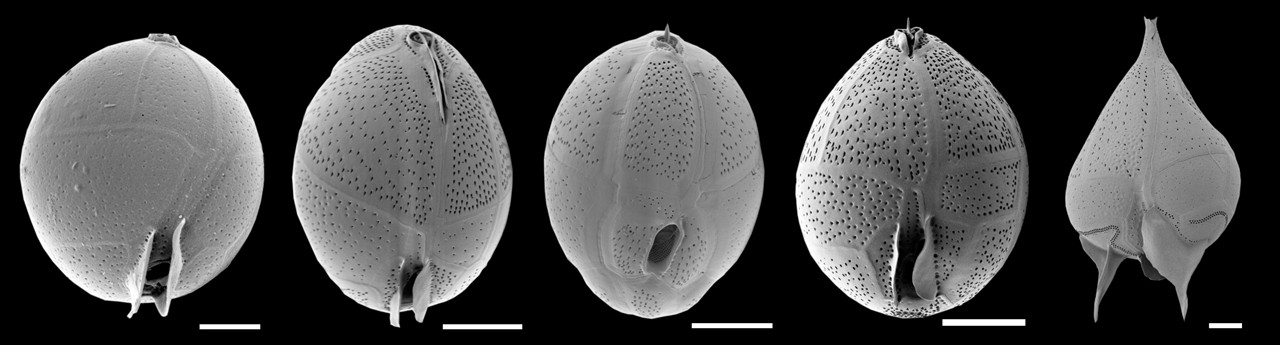

Prof. Dr. Susann Wicke, University of Münster, Germany.
Evolution and development of parasitic plants
Parasitism in plants represents the most extreme interaction between two plants, relying on specialized feeding organs that tap into the vascular systems of a host plant for water and nutrients. The shift from a self-sustaining, autotrophic lifestyle to parasitism entails profound genomic, morphological, and physiological changes—though some may predate parasitism itself. This talk highlights the Orobanchaceae, a plant family marked by multiple independent transitions to obligate parasitism and a non-photosynthetic lifestyle. We will explore how parasitism evolves and how weediness may emerge, using evolutionary, ecological, and developmental lenses across the parasite’s life cycle. Integrating high-throughput sequencing, advanced bioinformatics, and imaging technologies, we will examine key developmental and genomic shifts that accompany parasitic specialization. Special focus will be given to the roles of persistent soil seed banks, haustorial networks, and lineage-specific de novo proteins that underpin the ecological and evolutionary success of parasitic Orobanchaceae.
Host: Prof. Dr. Gudrun Kadereit

Dr. Karin Tremetsberger, BOKU University, Vienna, Austria.
Evolution and conservation of steppe plants in Central Europe
As an extrazonal vegetation type, steppes cover only a small part of Central Europe, yet they harbour a great diversity not only of plant and animal species, but also of their intraspecific genetic variability. Through the comparative analysis of this genetic diversity in steppe plant species and starting from a Eurasian perspective, we have gained a deeper understanding of the genesis, age, current status and endangerment of steppe species in Central Europe. In this seminar I would like to build a bridge from the origin of the Central European steppe biota to its present state and possible future.
Host: Dr. Simon Pfanzelt

© Paolo Bouman
Ryan F. A. Brewer, Naturalis Biodiversity Center, Leiden, Netherlands.
Angiosperm evolution and biogeography across the floristically diverse Canary Islands archipelago
Islands offer unique opportunities to study the uneven distribution of biodiversity across the tree of life over time. Insular biotas are composed of lineages with different ages, species numbers, and traits, originating from the continent (or other islands/island regions), and converging within the same geographical arena. A prominent example of this is the flora of the Canary Islands, which comprises many spectacular species-rich radiations and dozens of depauperate, single-species lineages. However, the causes of the unevenness across the tree of island life remain largely unresolved. Here, we present a time-calibrated phylogenomic tree of life for Canary Islands angiosperms, including 671 species of native Canary Islands flowering plants, representing 435 lineages (~50%), and 770 closely related mainland taxa, to address the causes of unevenness in the flora. We find that Canarian flowering plants are the result of 881 independent colonisation and, overall, the flora is characterized by remarkably high extinction and colonisation rates that maintain macroevolutionary equilibrium, without a correlation between lineage age and species diversity. Insular woodiness acts as a key innovation and insular woody lineages have higher speciation rates and lower extinction rates relative to the rest of the flora, with rates of colonisation and cladogenesis declining as species richness increases; in non-insular woody clades, diversity appears unbounded, limited by high turnover rates. Our results reveal that macroevolutionary processes in the iconic Canary Islands flora are not primarily determined by lineage age but rather by the interplay of multiple factors operating over more than 20 million years.
Host: Dr. Thibaud Messerschmid
Florian Altegoer and Michael Feldbrügge, Institute of Microbiology Heinrich Heine University Düsseldorf, Düsseldorf, Germany.
From microbial networking principles to lichen symbiosis: Insights from CRC1535 MibiNet
The Collaborative Research Centre CRC 1535 "MibiNet" (Microbial Networking – from Organelles to Cross-Kingdom Communities) aims to unravel how microbial networks form, function, and evolve across different scales — from the subcellular level of organelle interactions to complex cross-kingdom communities. Central to this effort is the identification of key network hubs and predominant metabolic, regulatory, and physical interactions across scales. Natural model systems such as the Peltigera lichen symbiosis serve as platforms to explore fundamental principles of microbial interaction and network organization.
Lichens are among the most ancient and fascinating examples of complex microbial communities. In lichens, a fungal mycobiont tightly associates with an algal and/or cyanobacterial photobiont to form complex morphological structures. Despite extensive research, the molecular mechanisms that govern lichen symbioses remain poorly understood. We here focus on the genus Peltigera that serves as a model for cyanolichens, with Nostoc cyanobacteria as its core photobiont. Using metagenomics, transcriptomics, and protein structure prediction, we analyzed multiple Peltigera isolates to dissect community composition and molecular interactions. Our study provides near chromosome-scale genomic data for several Peltigera mycobionts complemented by metagenomic data of their associated communities. We identified expanded classes of secreted proteins, including candidates with potential antimicrobial activity that may modulate microbiome composition, and a diverse array of fungal G-protein coupled receptors (GPCRs) resembling those of phytopathogenic fungi. These findings offer new insights into the molecular mechanisms underlying the initiation and maintenance of complex microbial interactions.
Host: Prof. Dr. Silke Werth


Prof. Dr. Diego Batista and Dr. Juliane Henschel, Federal University of Paraíba, Paraíba, Brazil.
Pereskia genus as a key to understanding the evolution of CAM plants in Cactaceae
The genus Pereskia, considered ancestral to all other cacti, is distinguished by its woody stems and true leaves. Pereskia species are facultative CAM plants, meaning they can perform both CAM and C3 photosynthesis depending on water availability. In this talk, we present research conducted during a sabbatical year at the University of Liverpool, where we describe and characterize for the first time the transition between C3 and CAM and the molecular and biochemical mechanisms underlying these responses in four Pereskia species from Latin America under varying water availability. Understanding these mechanisms is crucial for supporting phylogenetic analyses of the Cactaceae family, guiding genetic engineering programs aimed at developing plants with high water-use efficiency in the face of climate change, and aiding in the conservation of these species, some of which are endangered.
Host: Dr. Renata Callegari Ferrari
Abstracts
Dr. Aaron Liston, Dept. of Botany & Plant Pathology, Oregon State University, Oregon, U.S.A.
On the origin of strawberries
Host: Prof. Dr. Gudrun Kadereit
Prof. Dr. Pamela S. Soltis, Florida Museum of Natural History, Florida, U.S.A.
Polyploidy and Plant Diversification
Host: Prof. Dr. Christoph Oberprieler and Prof. Dr. Gudrun Kadereit
Dr. Léo-Paul Dagallier, Institute of Systematic Botany, New York Botanical Garden, Bronx, New York, USA.
Plant evolution in the tropics: examples from the African Annonaceae and the Andean Melastomataceae
Plant evolution is under the influence of several biotic and abiotic drivers. Here I will present insights in the plant evolution of two major tropical plant clades, in two different geographical
settings: the Monodoreae tribe (Annonaceae) of Africa and the Merianieae tribe (Melastomataceae) of South America. The evolutionary relationships within the two clades were inferred with a phylogenomic approach, and biogeographic and macroevolutionary analyses were conducted. The Monodoreae (ca. 90 species) evolved in the past 25 Myrs in the tropical rain forests of Africa. They experienced several range contraction and expansion, as well as a sudden extinction event. Birth-death models suggest that African elevation change (orogeny) is positively linked to speciation in this clade. The Merianieae (ca. 300 species) originated around 30 Myrs ago in South America. The Andes seems to have played an important role in promoting a fast diversification, leading to important uncertainty in evolutionary relationships (many reconstructed branches are poorly supported). Morphological character evolution is also interesting in this clade, and could be linked with pollinator shift in the Andes. I will also discuss how plant evolution is complex, and how reticulate evolution can impact analyses and bring uncertainty.
Host: Dr. Marie Claire Veranso-Libalah
Prof. Dr. Aurélien Tellier, Professorship for Population Genetics, Technical University of Munich, Germany.
Arunkumar Ramesh, Thibaut Sellinger, Kevin Korfmann, Diala Abu-Awad, Aurélien Tellier
Inference of past demography and life-history traits from genomic and epigenomic polymorphism data
While most inference methods using full-genome data can be applied to all possible kind of species, the underlying assumptions are often sexual reproduction in each generation and non-overlapping generations. However, in many plants, invertebrates, fungi and other taxa, those assumptions are often violated due to different ecological and life history traits, such as self-fertilization, long term dormant structures (seed or egg-banking) or large variance in offspring production. Furthermore, the resolution of past inference decreases when there is a lack of SNPs in the data. I will present new developments of Sequentially Markovian Coalescent (SMC) and Deep Learning (DL) methods to 1) infer seed banking / dormancy or selfing rates and their change in time, and 2) integrate epigenetic (methylation) markers to improve the inference of past events.
Host: Prof. Dr. Silke Werth
Prof. Hernán A. Burbano, Department of Genetics, Evolution and Environment, University College London, UK.
Pathogen wars through time: studying plant pathogens with modern and historical DNA
In this talk, I will delve into the realm of plant-pathogen coevolution by integrating present-day and historical samples to examine the interactions between crop and wild plants and their fungal and bacterial pathogens. Furthermore, I will explore the role of bacteriophages in shaping interbacterial competition and influencing the outcomes of bacterial infections in metapopulations of historical and modern plant pathogens. To shed light on the multifaceted nature of these interactions, I will contrast the results of plant-pathogen relationships in cultivated crops with those found in natural ecosystems.
Host: Prof. Dr. Gudrun Kadereit
No Seminar
Dr. Natascha Wagner, Department of Systematics, Biodiversity and Evolution of Plants, Albrecht-Haller-Institute for Plant Sciences Georg-August-University of Göttingen, Germany.
It is challenging - but it's worth it. Unravelling phylogenetic relationships in shrub willows
The genus Salix is known to challenge botanists because of its taxonomic difficulties, a tendency to hybridise, and the amount of polyploid species. In the talk especially shrub willows will be presented, some only a few cm high. Their reticulate relationships were only recently analysed on a worldwide scale.
Host: PD Dr. Andreas Fleischmann
PD Dr. Michael Raupach, Zoologische Staatssammlung München, Munich, Germany.
Using molecular methods to assess the diversity and to reconstruct the evolutionary history of water bugs (Nepomorpha) and water striders (Gerromorpha)
Water bugs (Nepomorpha) and water striders (Gerromorpha) are some of the most fascinating insects around and have numerous morphological adaptations to their aquatic environment. Whereas water bugs typically have a streamlined body, natatorial legs and short antennae, water striders are known for their long, slender legs that act as propulsion (middle leg) and rudders (hind legs), allowing them to move on the water surface. Many aspects of the biodiversity and phylogeny of these bugs are still unknown. The use of modern molecular methods makes it possible to answer taxonomic, systematic, and phylogenetic questions, whereby old museum material can increasingly be used. All this helps us to better understand the evolutionary history of these amazing animals more in detail.
Host: Prof. Dr. Silke Werth
Dr. Chiara Tonon, Bundesanstalt für Materialforschung und –prüfung (BAM), Department 4. Material and the Environment, Berlin, Germany.
Biofilms, lichens and surfaces: between ancient materials and modern needs
The surfaces of outdoor-exposed inorganic materials represent one of the most harsh environments for colonization. Nevertheless, many organisms able to cope with extremely stressful conditions (i.e. lichens, fungi, algae, etc.) can establish on surfaces and proliferate with diverse survival strategies. The success of a colonization depends not only on the species involved, but also on the characteristics of the material (bioreceptivity) and on the external environmental conditions. As an effect of the biological growth, the material itself is modified mechanically or chemically, with consequences falling back in surface-shaping phenomena such as biogeomorphism, biodeterioration, bioprotection, etc. When the impact on the materials is unwanted (e.g. on surfaces of historical interest), the growth of biological patinas should be avoided, but there are other cases where the biological growth has a neutral impact, or it is even wanted and encouraged. In this talk, all the main factors involved in the phenomenon of biological colonization of inorganic surfaces will be introduced, with case-studies showing the importance of an interdisciplinary approach and of both field and laboratory phases for correctly addressing scientific research in this challenging subject.
Host: PD Dr. Andreas Beck
At 11:15am: Prof. Qiang Wang, National Herbarium of China, Institute of Botany, the Chinese academy of Sciences, China.
Plant Diversity Survey and Progress in the Flora of Pan-Himalaya
In this talk, I will present the most unique alpine plant diversity on Earth and the unique geographical ecology of the pan-Himalayas region. I will also present the field plants survey of Pan-Himalaya and the progress of the ‘Flora of the Pan-Himalaya project’. At last, I will delve the plan of ‘Plants Genome Project of Pan-Himalaya’ and the plants name registration system ‘WPN’, which is developed by the National Herbarium of China (PE).
Host: M.Sc. Luo Chen
At 1:15pm: Dr. Jovani B.S. Pereira, University of Bonn, Germany.
Exploring Isoetes evolution: genomic approaches to understanding an ancient plant group’s global adaptation
The iconic lycophyte genus Isoetes comprises a globally distributed group of aquatic plants that thrive across diverse climates. Isoetes is the only surviving member of the ancient Isoetales, which diverged from its closest relatives more than 350 million years ago. Remarkably, Isoetes encompasses 250 species and it has shown little morphological change over time, with today’s plant forms closely resemble their ancestors from the Triassic and Jurassic. This talk examines the evolutionary history of Isoetes through data from several sequencing methods, including ddRAD-Seq, PacBio HiFi amplicons, and genome skimming, to provide a comprehensive phylogenomic framework. By combining these methods, we address challenges in reconstructing the phylogeny of Isotes, particularly issues arising from hybridization and polyploidy, which can obscure species relationships and complicate biogeographic and node age estimations. Through this approach, I will show how we are gaining valuable insights into the unique evolutionary patterns of Isoetes, helping us better understand its adaptation across time scales.
Host: Prof. Dr. Julia Bechteler
At 11:15am: Dr. Tijana Cvetković, University at Buffalo, The State University of New York, USA
Genomic Bridges: Unraveling Evolution and Biodiversity in Plants and Marine Life
Genomics is a pivotal tool for unraveling evolutionary relationships, biodiversity, and conservation across diverse species, bridging knowledge gaps irrespective of the organisms studied. My research explores the evolutionary biology, biogeography, and conservation genetics of various plant lineages and marine organisms.
In the plant realm, we investigated subfamily Dipterocarpoideae (Dipterocarpaceae), one of the most important native tree families for wood production in tropical Asia, and proposed a novel phylogenomic hypothesis that supports revising their tribal classification. Additionally, our study of the Malvaceae presented a well-supported phylogenetic framework, recovering a fully resolved and well-supported topology that confirmed the split of the family into /Byttneriina (/Grewioideae +/Byttnerioideae) and /Malvadendrina, providing a solid framework for future evolutionary studies of this economically relevant family. Further, we reconstructed a comprehensive phylogeny of the hyper-diverse subfamily Lamioideae (Lamiaceae) by including all recognized tribes and also acquiring data from DNA-degraded and museum-preserved materials. Most tribes were retrieved monophyletic, except for Pogostemoneae and Gomphostemmateae.
Turning to marine organisms, we explored the complex genomic structure and lifestyle of cephalopods and their parasites as an important part of the marine ecosystem. We assessed the genetic diversity of dicyemid parasites of cephalopods (Sepia and Octopus), which revealed that current classifications may significantly underestimate their true diversity. Interestingly, eight new cephalopod hosts were identified, and unique community patterns in regions like the Bass Strait in Australia were uncovered. Finally, we aimed to explore the genetic diversity and population structure of two octopus species, Eledone moschata and E. cirrhosa, common in the Mediterranean Sea. The results showed genetically distinct populations of E. moschata in the Tyrrhenian and Adriatic Seas, while E. cirrhosa populations were genetically similar across both the Mediterranean and Northeast Atlantic.
These integrated genomic studies across plants and marine organisms highlight the power of genomics in elucidating evolutionary patterns and biodiversity, with remarkable implications for conservation biology.
Host: Prof. Dr. Gudrun Kadereit
At 1:15 pm: Dr. Urban Tillmann, Alfred Wegener Institute Helmholtz Centre for Polar and Marine Research, Bremerhaven, Germany.
The weird world of marine dinophytes
With more than 2,000 described species, dinophytes constitute an important group of unicellular eukaryotic microorganisms. The majority of species live in the ocean, where they occupy nearly all habitats with a wide diversity of forms and functions. Dinophytes can be found as parasites or symbionts mutually within other organisms, as plankton in the open water column and also as sand-dwellers or aufwuchs in the benthos. Especially in the plankton, they may occur in exceptionally high densities during algal blooms, which in many cases can have harmful effects on the ecosystem and/or higher trophic levels including humans as sea food consumers. As diverse as their forms and habitats are, their lifestyles, nutritional strategies and behaviours are equally diverse. Heterotrophic species can engulf large particles, suck out parts of their prey or hunt using nets, harpoons or even toxins. Some specialists have adapted to permanently host algae as symbionts or even "cultivate" them outside their cells as gardeners. Others, while performing photosynthesis with their own chloroplasts, also actively hunt for food. In this presentation, selected examples will be given to illustrate a broad overview of this fascinating group of organisms.
Host: Prof. Dr. Marc Gottschling
No seminars
08 January 2025 in the Big Lecture Hall: Prof. Notburga Gierlinger, University of Natural Resources and Life Sciences (BOKU), Institut of Biophysics, Vienna, Austria.
Raman Imaging of Plant Cuticles
The cuticle covers almost all plant organs as the outermost layer and serves as a transpiration barrier, sunscreen, and first line of defense against pathogens. Waxes, fatty acids, and aromatic components build chemically and structurally diverse layers with different functionality. So far, electron microscopy has elucidated structure, while isolation, extraction, and analysis procedures have revealed chemistry. With Raman imaging we close the gap by revealing microchemistry together with structure on the native cuticle. We optimized a workflow (from sample preparation, Raman data acquisition to hyperspectral data analysis and interpretation) and investigated the cuticle of spruce needles [1, 2], tomato peels [3], Arabidopsis stem [2] and recently also the leaves of Arabidopsis and the alpine species Kalmia procumbens. We include area scans (cross sections), depth scans (cuticle peels) and also laser polarization experiments to deduce the orientation of molecules [1]. Using multivariate data analysis we separate cuticle layers based on spectral changes and verify their molecular composition. All cuticle components contribute to the Raman spectral signature and we differentiate lipidic and phenolic components within the cuticle and carbohydrates mainly towards and in the epidermal layer. While carbohydrates give a weak Raman scattering signal, others like e.g. cinnamic acids, flavonoids, triterpenoids, alkanes give strong Raman bands and can be detected in small amounts. Based on spatially resolved (300nm) spectral changes we visualise layers and gradients within the cuticle and towards the epidermal layers and trichomes. By revealing such a comprehensive view on the microchemistry of cuticle and its appendages we amend the models by details on the distribution of e.g. cinnamic acids, flavonoids and triterpenoids. Raman imaging proves as a non-destructive and fast approach to assess the chemical and structural variability in space and time and is a valuable tool to tackle knowledge gaps in plant cuticle research.
1. Sasani N; Bock P; Felhofer M; Gierlinger N (2021) Raman imaging reveals in-situ microchemistry of cuticle and epidermis of spruce needles. Plant Methods 17(1): 17. DOI: 10.1186/s13007-021-00717-6
2. Bock P, Felhofer M, Mayer K, Gierlinger N (2021): A Guide to Elucidate the Hidden Multicomponent Layered Structure of Plant Cuticles by Raman Imaging. Frontiers in Plant Science 12: 793330, DOI: 10.3389/fpls.2021.793330
3. González Moreno A, Domínguez E, Mayer K, Xiao N, Bock P, Heredia A, Gierlinger N. (2022). 3D (x-y-t) Raman imaging of tomato fruit cuticle: microchemistry during development. Plant physiology https://doi.org/10.1093/plphys/kiac369.
Host: Dr. Thibaud Messerschmid
Luo Chen, Systematics, Biodiversity and Evolution of Plants, LMU Munich, Germany.
Phylogenomics and taxonomic implications of Old World Melastomataceae
Melastomataceae are one of the largest flowering plant families, comprising approximately 173 genera and 5,858 species, with 2,117 species across 89 genera in the Old World. When I began my PhD, our understanding of the phylogenetic relationships within Melastomataceae was largely based on sequences from a few DNA markers generated through Sanger sequencing, which is prone to random errors in phylogenetic inference and often insufficient for resolving the phylogeny of groups with complex evolutionary histories. To improve our understanding of the phylogenies in Old World Melastomataceae, I studied phylogenetics of three tribes: Dissochaeteae, Melastomateae, and Sonerileae, utilizing newly generated and publicly available Sanger and next-generation sequencing data. Together, these tribes include 76 genera and 1,500 species in the Old World, accounting for 70.9% of species and 85.4% of genera within this region. In this talk, I will present the new findings we have gained on the systematics and evolution of the Old World Melastomataceae informed by the phylogenetic results.
Host: Dr. Diego F. Morales Briones
Dr. Juan Carlos Zamora, Conservatory and Botanical Garden of the city of Geneva, Geneva, Switzerland.
The slime-mould (Myxomycetes, Amoebozoa) collection in the Geneva herbarium and recent advances in the systematics of this group
Myxomycetes, often known as “slime-moulds”, are a broadly distributed group of protists, known at least since the 17th century and that has been primarily studied by mycologists. During their life cycle, Myxomycetes go through different trophic and fruiting stages, including unicellular amoebae or flagellate cells, a multinucleate phase known as the plasmodium, and a fruiting phase where fungal-like sporophores are produced. The Geneva herbarium hosts one of the largest slime-mould collections in the world, with over 50 000 specimens covering about 75% of the more than 1000 accepted species, including some type specimens. In this talk, we will explore the origins of this collection and how specimens are preserved, as well as their relevance for research studies. The advent of molecular techniques in the 21st century has revolutionized the understanding of the evolutionary relationships among these organisms and, especially during the last decade, various studies have contributed to a more natural classification and the description of several new species. We will also comment some of these milestones, as well as ongoing projects of our research group.
Host: Dr. Anže Žerdoner Čalasan
Prof. Dr. Yamama Naciri and Dr. Laurent Gautier, Conservatory and Botanical Garden of the city of Geneva, Geneva, Switzerland.
New insights into the complex taxonomy of the Malagasy Sapotaceae
Sapotaceae is a family of large tropical trees. Being slow growing, they are highly praised for the quality of their timber, making them particularly sensitive to deforestation and selective exploitation. In Madagascar, the most recent systematic treatment is 50 years-old and mostly obsolete, hampering conservation efforts. Taking advantage of the numerous samples accumulated since, of further field sampling and of the emergence of gene capture and Next Generation Sequencing, our research uses an integrative approach to build a robust taxonomy for Madagascar Sapotaceae. In this talk we will expose the potential of our approach by presenting our main results that include new generic circumscriptions and species delimitation analyses in notoriously difficult genera that led to a twofold increase in species richness. Not surprisingly, most new species are threatened, which makes Sapotaceae one of the most threatened groups of plants in Madagascar.
Host: M.Sc. Tina Kiedaisch
Prof. Dr. Michael Krings, Paleontology and Geobiology, LMU Munich, Germany.
The small world in the Rhynie chert – how plants, microorganisms, and animals lived together 400 million years ago
Host: Prof. Dr. Gudrun Kadereit
Abstracts
Prof. Dr. Susanne S. Renner, Washington University in St. Louis, U.S.A.
Spores before sporophytes and sporophytes before archegonia? The evolution of the land plant life cycle
Host: Prof. Dr. Gudrun Kadereit
Laura Ávila Robledillo, Max Planck Institute of Plant Breeding Research, Department of Chromosome Biology, Cologne, Germany.
Initial insights about mono- and holocentromeres in carnivorous Drosera species
Sundews are carnivorous plants that grow in nutrient-poor habitats. They are distributed globally, with more than 200 species described. In addition to carnivory, sundews are reported to have great diversity of genomic and chromosomal features. The chromosomes of sundews have been studied for over a century revealing extraordinary variability in chromosome number and ploidy across species. But perhaps, one of the most fascinating features of sundews chromosomes is the fact that several species analyzed within the genus Drosera lack a visible primary constriction, leading to the assumption that holocentricity is common in the genus. This is very exciting as it points to the occurrence of both monocentric and holocentric species in a single genus.
Combining genomics and cytogenetics we are analyzing the genomes of Drosera species differing in centromere organization. The development of specific centromere markers allows us to verify the centromere type of our set of species. Our preliminary data reveals for the first time, the different genome architecture of mono- and holocentric Drosera and suggest that satellite repeats are associated with centromeres in both types. Synteny analyses among the selected Drosera species and its sister clade Nepenthes gives insights into the karyotype evolution of the group showing that events of fission and fusions are common in the group.
This work could provide the bases for the understanding of the genomic changes associated with holocentricity as well as the drivers of this transition.
Photo: Drosera capensis
Host: PD Dr. Andreas Fleischmann
Dr. Ekaterina Pushkareva, Botanical Institute, University of Cologne, Germany.
Biocrusts from the High Arctic: microbial community composition and their potential functions
Biological soil crusts (biocrusts) are essential components of polar ecosystems and play an important role in shaping the fragile environments of the Arctic and Antarctic regions. Biocrust are composed of a diverse array of bacteria, fungi, algae, lichens, and bryophytes that interact with the soil particles, creating a fragile layer on the soil's surface. They serve as pioneers in barren landscapes, contributing significantly to soil stability, nutrient cycling, and moisture retention. Understanding their composition, distribution, and ecological functions is crucial for comprehending the complex dynamics of polar ecosystems. Investigating these crusts offers insights into their resilience against extreme conditions and their pivotal role in maintaining the overall biodiversity and ecological balance in these harsh, yet vulnerable, polar environments.
Host: PD Dr. Andreas Beck
Dr. Alistair Leverett, University of Cambridge, England.
Crassulacean Acid Metabolism and Succulence in the Genus Clusia
Within the neotropical genus, Clusia, there is remarkable interspecific diversity in photosynthetic and hydraulic physiology. This genus contains species spanning the entire C3-CAM continuum: some are obligate C3; others constitutive CAM; whilst many more exhibit some form of C3-CAM intermediate phenotype. Furthermore, there is substantial variation in the water relation traits of Clusia leaves, particularly variation in the turgor loss point (i.e. the wilting point) and hydraulic capacitance. As a result of this phenotypic diversity, Clusia can be used as a model to conduct comparative analyses that address a range of research objectives. To this end, I will answer three questions I addressed during my PhD research: 1) How do CAM and the turgor loss point contribute to the distributions of species across a precipitation gradient, and what can this tell us more generally about drought adaptations? 2) What anatomical adaptations are associated with CAM, and can we move beyond correlative analyses in non-transformable taxa? 3) Does CAM require elevated nocturnal respiratory rates? Overall, these questions highlight the power of using non-model, phenotypically diverse taxa to understand the ecophysiology of CAM and succulence.
Host: Dr. Thibaud Messerschmid
Dr. Andrew Rozefelds, Principal Scientist and Curator of Palaeobotany at Queensland Museum, Australia.
Green History - The Cenozoic Fossil Record of Northern Australia
Integration of fossils into phylogenetic analyses can provide significant insights into both the origins and history of plant morphological traits and minimum ages of the phylogenetic lineages under study. Underpinning this is the need for well supported stratigraphic information that allows the ages of fossils to be determined with confidence. Intraplate volcanism during the Oligocene and Miocene occurred extensively throughout eastern Australia. Weathering of these volcanic rocks led to mobilisation of silica which resulted in the permineralisation of floras buried by volcanic activity, and the age of these floras can be inferred from radiometric dates from the associated volcanic provinces. While these silcrete floras are little studied their extraordinary preservation makes it possible to critically compare them with modern plants. Plants preserved in these silcretes are usually permineralised and preserve internal anatomy and cellular structures. Silicification not only preserves plants but also leaf litter on the forest floor and even the underlying soil containing roots and root nodules. Current research on fossil floras from northern Australia will be highlighted and is providing new insights into evolution and history of the modern Australian flora. Terrestrial (ground-dwelling) ferns are often conspicuous elements in these silcretes because they have been preserved in situ. Some of the challenges in interpreting the phylogenetic signal from these fossil plants will also be discussed.
Host: Dr. Elizabeth Joyce
Dr. Petr Sklenář, Charles University in Prague, Czech Republic.
Plants from the tropical high Andes – evolution and ecology
The Tropical Andes, a hotspot of biodiversity, harbour several textbook examples of adaptive radiations in plants. Lupins, gentians, valerians, espeletias, what do they have in common? Why are they so diverse? The „summer every day, winter every night“ of the tropical high mountains provides unique environmental settings. But how can this be linked to plant diversification? The talk offers colorful plants, many questions, and maybe some answers.
Photo: Espeletia in Páramo Angel
Host: Dr. Simon Pfanzelt
Dr. Juan Carlos Villareal, Université Laval, Québec, Canada.
Eco-evolutionary dynamics in cryptogams: Bryophytes, fires and reindeer lichens
Host: Prof. Dr. Julia Bechteler
Prof. Dr. Marc Gottschling, Systematics, Biodiversity and Evolution of Plants, LMU Munich, Germany.
Metabarcoding project 'eintauchen'
Freshwater plankton in temperate habitats shows a strong seasonality to effectively use ecological resources and to survive unfavourable environmental conditions. Changing water temperature has been recognised as the key ecological variable driving the rise and fall of species and communities. In the metabarcoding project 'eintauchen', samples were collected weekly over the course of a year from six ponds in our botanical garden that are characterised by minimal fertilisation and the absence of pesticides. Despite their geographical proximity and the common water supply from the River Würm, the six ponds exhibited great diversity in their taxonomic composition and considerable seasonal variation. Using the 200 most abundant ASVs, the Decision Tree Regressor machine learning tool was used to test the extent to which temperature has an influence on their seasonal variation. The K-Means Clustering machine learning tool identified only a quarter of the 200 most abundant ASVs as organisms, whose course is altered by water temperature. Instead, another quarter of the ASVs studied are more likely to be driven by changing day length, with inflection points (and mathematical extremes of their derivatives) two weeks ahead of the temperature curve in spring and seven weeks ahead of the temperature curve in autumn, respectively. Length of daytime is a more reliable ecological variable over the course of the seasons than temperature, which appears used by more protists at middle latitudes than previously assumed. These findings are consistent with the responses of many flowering plants to daytime length variations in temperate habitats.
After the talk: Depending on the weather, the speaker suggests reviving an old tradition of our institute and meeting in the Hirschgarten beer garden for further discussion after the talk. Soccer will be playing at that time, but not broadcasted at the site - so that there should be enough space available for us.
Prof. Dr. Richard Merrill, Evolutionary Biology, LMU Munich, Germany.
Evolutionary Genetics of Visual Preferences: Beauty, Brains and Butterfly Diversity
Visual signals are an important driver of mate choice and sexual selection in both plants and animals. Although we increasingly understand the genetic basis of the signals themselves, we still know little about the genes underlying the corresponding preferences, or how they evolve. I will talk about a long-term project focused on the genetics and sensory ecology of visual preferences that are known to contribute to speciation in tropical Heliconius butterflies. By combining population genomic and gene expression analyses, data from hundreds of behavioural experiments, and genome editing using CRISPR/Cas9, we have been able to link a specific gene to the evolution of visual preference behaviours. I will discuss how these results i) implicate a role for interspecific hybridization, and adaptive introgression, during the evolution of behaviour; and ii) also show how visually-guided behaviours contributing to adaptation and speciation can be encoded within the genome. Finally, I hope to introduce some emerging work in which we are attempting to place these results within the broader context of visual evolution, including the specific cues involved and shifts in visual acuity associated with changes in habitat.
Host: Prof. Dr. Gudrun Kadereit
Dr. Alexander Bradshaw, Postdoctoral researcher at the Natural History Museum of Utah, USA.
Natural History, Evolution, and ongoing studies in the "magic mushroom" genus Psilocybe
Despite the medicinal promise that psychoactive compounds such as Psilocybin and Psilocin have shown, the mushroom-producing organisms that create these compounds, Psilocybe, have largely gone unstudied. This seminar will discuss the history of Psilocybe mushrooms, why they are difficult to work with, systematic studies on their psychoactive properties, and ongoing projects related to their diversity and evolution.
Host: Dr. Anže Žerdoner Čalasan
Prof. Dr. Eva H. Stukenbrock, Environmental Genomics, Botanical Institute, CAU Kiel and MPI for Evolutionary Biology, Plön, Germany.
Microbial interactions and co-evolution in the plant phyllosphere
Plants are associated with a variety of microorganisms. Some microbial species are highly specialized to a plant-associated lifestyle and play a detrimental role in plant health either by promoting growth or conferring disease. In spite of their fundamental importance, we know surprisingly little about the ecology of these microbial species. We use the fungal grass pathogen Zymoseptoria spp as a model system to study fungal evolution in the context of molecular interactions with the plant host and the plant-associated microbiota. The species Z. tritici has co-evolved with wheat during domestication and provides an excellent model system to study fungal adaptation to plant invasion and colonization. Genome and transcriptome analyses have elucidated how host specialization of this pathogen has involved the acquisition of adaptive substitutions in genes encoding secreted proteins as well as changes in gene expression. To understand the underlying molecular basis of successful invasion of wheat leaves by Z. tritici, we have used a metabolomics approach. Hereby, we demonstrate that Z. tritici, in susceptible hosts, is able to suppress and manipulate multiple biosynthetic pathways of wheat and notably pathways involved in immune responses during infection. Interestingly, suppression of the plant immune responses conferred by Z. tritici is so efficient that it impacts the ability of other microbial species to colonize the plant tissue, even in distal areas of the leaf not colonized by the fungus. Consistent with this observation we find that Z. tritici produces a large diversity of anti-microbial compounds, which may be important for the pathogen to co-exist with the wheat-associated microbiota. Our findings suggest that host specialization of pathogens not only entail specialization to a given host, but also to the host microbiota.
Host: Prof. Dr. Gudrun Kadereit
Abstracts
Dr. Farida Minibayeva, Kazan Institute of Biochemistry and Biophysics, Russian Academy of Sciences, Kazan, Russia.
Enigmatic melanins: from microorganisms to electronics
Melanins (from the Greek μέλας, “black”) are structurally complex dark pigments found in all biological kingdoms. Despite their natural versatility, these are one of the most enigmatic biopolymers in the biosphere. Natural melanins are heterogeneous polymers formed by the oxidation of phenolic/indole precursors and subsequent polymerization of intermediate phenols and quinones. These pigments have a variety of functions such as free radical quenching, protection against light stress, energy transfer, thermoregulation, metal chelation, camouflage, immune response, and virulence. The microstructure of melanins has been studied in some detail for the pathogenic fungi and human melanosomes; information on the structure and physicochemical properties of melanins in photosynthetic organisms is extremely limited. Of particular interest are the properties, morphology and functions of melanins in extremophilic organisms, including lichens. Lichens are symbiotic organisms formed as a result of a mutually beneficial alliance of a fungus (mycobiont) and algae/cyanobacteria (photobiont). For lichens, the formation of a melanin layer on the surface of the thallus in response to UV exposure is one of the key mechanisms of their high resistance not only to excess light, but also to xenobiotics and dehydration. The unique properties of melanin make this natural polymer a promising subject for fundamental and applied research, in particular, for the development of so-called “green electronics”, and other applications in medicine, biotechnology and remediation.
Host: Prof. Dr. Silke Werth
Prof. Dr. J.F. Niek Scheepens, Faculty of Biological Sciences, Goethe University Frankfurt, Germany.
Resurrecting plants for climate change research
Climate change may cause rapid evolutionary changes in plant populations. The resurrection approach, in which individuals raised from ancestral propagules are compared with individuals raised from descendants of the same population, is a powerful and direct method to reveal evolutionary changes over time and can therefore be used to investigate how recent environmental dynamics affect rapid evolution. I will show that conventional seed banks are a valuable source of ancestral propagules for multispecies resurrection studies. Furthermore, I will provide evidence from resurrection studies that rapid evolutionary changes took place across plant taxa in Europe, possibly as adaptive response to climate-change related environmental changes. Finally, I will show how resurrection ecology can adopt classical methods from experimental plant ecology and modern molecular techniques to increase our understanding of rapid evolutionary processes.
Host: Prof. Dr. Gudrun Kadereit
Dr. Ramona-Elena Irimia, Plant Evolutionary Ecology, Institute of Evolution & Ecology, Universität Tübingen, Germany.
Using herbarium genomics to understand spatio-temporal dynamics and mechanisms of plant response to changing environments
Time series studies across large spatial scales are greatly needed to document ecological and evolutionary processes behind successful colonization events. Herbarium records can act as a “time-machine” and offer a unique opportunity to model past processes and gain insights into the species history and responses to environmental and anthropogenic perturbations. Species of the genus Reynoutria (Japanese knotweed, Polygonaceae) are among the world’s worst invasive weeds and their extensive success provides an excellent system to investigate species expansion and adaptation to heterogeneous environments. Originally from South-East Asia, they were introduced globally ca. 180 ago as garden ornamentals, and later escaped into the wild and became highly invasive in large parts of Europe and North America. Using the Japanese knotweed example, I will discuss the powerful approach of using museum specimens and historical DNA in evolutionary and population genomics studies, to infer how species respond to environmental challenges.
Contact: ramona-elena.irimia@uni-tuebingen.de
Host: Prof. Dr. Marc Gottschling
Prof. Dr. Franceso Dal Grande, Dept. of Biology, University of Padua, Italy.
Dryland biobanking: exploring the hidden green life of deserts and the origin of lichenization
Drylands - areas with an aridity index below 0.65 - occupy more than 40% of Earth’s surface and are among the most sensitive ecosystems to climate change. Soil microbial communities are intricately linked to ecosystem functioning in drylands because they play important roles in carbon and nitrogen cycling, soil fertility and climate regulation. Unicellular green algae constitute a crucial component of these communities with key roles in primary production, food webs and nutrient cycling, soil formation, and modulation of soil texture and structure. Despite the importance of microalgae in the stability of these ecosystems, the phototrophic micro-algal flora represents a vastly understudied component of soil microbial communities. Limited knowledge of their diversity, of host- microbiome and within-microbiome interactions and of the adaptive traits important for survival in extreme environments translates into limited ability to monitor and eventually prevent biodiversity losses.
In my talk I will present the results of a recently concluded project that generated comprehensive baseline data on diversity, distribution patterns, and community composition of terrestrial microalgae in global drylands (80 sites worldwide, 13 countries). The study highlights the presence of hundreds of undescribed taxa from all major groups of green algae. The living algal collection obtained from these soils constitutes an ideal starting point to investigate the genomic and functional traits responsible for the adaptation to extreme environments in these organisms and other evolutionary novelties, such as the ability to form lichen symbioses.
Host: PD. Dr. Andreas Beck
Dr. Nora Walden, COS, Universität Heidelberg, Germany.
Resolving the evolutionary history of Arabideae using paralogs
The Arabideae represent the largest Brassicaceae tribe with ~550 species in 18 genera, among them eponymous Arabis and the large genus Draba with over 400 species. Polyploidy is prevalent in the tribe, with ploidy levels up to hexadecaploid; and hybridization is hypothesized to be common. Previous phylogenetic studies have identified larger clades consistently, but failed to provide resolution at the species level, in part likely due to the presence of paralogs remaining from past whole-genome duplications (WGDs) and hybridizations.
We have developed a concept and workflow to infer polyploidization status from target enrichment data and reconstruct the evolutionary history of the taxa of interest using evolutionary placement of paralogs into a diploid reference tree. This method allows us to use information from paralogs despite multiple rounds of WGD and hybridization.
Our results provide a solid backbone phylogeny for the Arabideae and pinpoint the ancestral lineages involved in past hybridizations. Within Draba, we found strong evidence that one of three main evolutionary lineages originated from hybridization between the other two lineages, with subsequent hybridizations giving rise to further subclades. In total we identified 68% of our samples as ancient polyploids and clustered them in over 40 clades with different patterns of paralog placement, suggesting independent or additional WGDs and hybridization events. Our study highlights the need for novel approaches to phylogenomics in clades with complex evolutionary histories.
Host: Dr. Elizabeth Joyce
Prof. Dr. Joachim W. Kadereit (retired), Systematics, Biodiversity and Evolution of Plants, LMU Munich, Germany.
Plant evolution in the European Alps - The origin of serpentine-tolerant Minuartia and shade-tolerant Saxifraga and a note on the uneven distribution of endemics
In the last c. 2.5 myrs, the Quaternary, the European Alps experienced 50+ glacial/interglacial cycles. This resulted not only in major shifts of geographical distribution but also in evolutionary change and the origin of new lineages. I will look at the origin of unusual ecologies. In case of Minuartia laricifolia, the serpentine endemic ssp. ophiolitica is most closely related to the more widespread calcifuge ssp. laricifolia. Saxifraga sect. Saxifraga subsect. Arachnoideae contains species from open high-elevation habitats as well as species from low-elevation shady hollows under overhanging rocks such as S. berica and S. arachnoidea. In both cases I will hypothesize that the ecologically divergent taxa originated in a two-step process. In glacials, populations became geographically isolated in refugia along the southern edge of the Alps. These populations persisted in their refugial areas upon interglacial/Holocene climate warming and evaded more competitive warm-stage vegetation by adapting to their unusual habitats.
I will also briefly consider why most endemics of the Alps, similar to M. laricifolia ssp. ophiolitica and Saxifraga arachnoidea and S. berica, are found along their southern edges whereas essentially no endemics are found in the north.
Prof. Dr. Rainer W. Bussmann, Staatliches Museum für Naturkunde Karlsruhe, Germany and Ilia State University, Institute of Botany and Bakuriani Alpine Botanical Garden, Department of Ethnobotany, Botanical Str, 0105 Tbilisi, Georgia.
Quo vadis Botany?
Botany, including ethnobotany, has changed greatly over the last decades. On the scientific side, research has moved from simple species inventories, to detailed quantitative studies, genomics, and the elucidation of active compounds. Both developments are highly important but have also led to some disadvantages. On the one hand, the focus on "modern" studies has led to a decline of knowledge on, and publications of classic taxonomic studies, and field studies, and often neglect of classic herbaria. On the other hand, the very widespread use of statistical indices both in ecology and e.g., ethnobotanical field research has led to a virtual inflation of index use, with the application of often only one index, and wrongly extrapolating on plant importance from this, or applying multiple indices, but coming to wrong conclusions, especially with regard to conservation implications or the "usefulness of plants for further drug development."
In this context the recent outbreak of coronavirus disease (COVID-19) is an interesting example. In botanical research COVID-19 might be an incentive to better implement the Nagoya Protocol on Access and Benefit Sharing and change the role of local participants and give them the role they deserve, - to not only be participants, but investigators, and co-authors. Rather than sending (mostly) western students and researchers around the globe, COVID-19 might finally force the botanical community to focus on wider training of local researchers, so that they can conduct interviews in their own communities, and then to fully participate in data analysis and publication.
In this talk, we assess the contribution of ethnobotanical studies in the management of diseases and food security, and the changes in research under the Convention on Biological Diversity and the attached Nagoya Protocol, and their effect on the possibilities for future studies, outlining in which directions Botany might develop in the 21 century.
Contact: rainer.bussmann@smnk.de; rainer.bussmann@iliauni.edu.ge
Host: Dr. Hans-Joachim Esser
Prof. Dr. Olivier Hardy, Université libre de Bruxelles, Belgium.
Biogeographic questions using tree genetic diversity in Africa
Genetic and genomic information is increasingly used for fundamental and applied research in all areas touching biodiversity, a trend facilitated by the fast development of DNA sequencing technologies. I will illustrate how genetic data on African forest trees have provided important insights to understand their taxonomy, ecology and evolution, and are also useful for forest management. (i) Population genetics approaches have clarified species delimitation and taxonomy in complex genera, highlighting the existence of many cryptic species, so that the richness in tree species in tropical Africa is probably much larger than indicated by current taxonomy and floristic lists. (ii) DNA sequences conserve traces of historical demographic events that have shaped the current genetic diversity of the populations (phylogeography). Past population fragmentation is a common pattern observed in most tree species that can reflect past changes in the forest cover. Using fully sequenced plastomes, it is also possible to infer past colonization and range expansion processes on a timescale using a molecular clock. However, in some genera plastomes are easily transferred between species, a phenomenon which could lead to a form of reticulate evolution in 'syngameons'. (iii) Genetic markers are powerful to infer reproduction processes, such as the mating system, pollen and seed dispersal distances, or the determinants of reproductive success. Such information is particularly useful for the sustainable management of timber species to define practical measures ensuring that natural populations retain a good reproductive potential after logging operations.
Host: Prof. Dr. Marie Claire Veranso-Libalah
Prof. Dr. Imke Schmitt, Senckenberg Biodiversity and Climate Research Centre, Head of Research Group 'Molecular Evolutionary Biology', Goethe-Universität Frankfurt am Main, Germany.
The role of climate in structuring lichen holobionts
The lichen holobiont can be viewed as a micro-ecosystem consisting of a primary fungal partner, primary photosynthetic symbionts (green algae or cyanobacteria), other fungi and algae, and a bacterial microbiome. Like other ecosystems, this symbiotic consortium responds to environmental variables. Here we use elevation gradients to investigate the role of climate in shaping geographic distribution patterns of individual components of the lichen holobiont. We study altitudinal distributions of green algal strains, bacterial communities, and intraspecies genome-wide differentiation of fungal partners. There is evidence for abrupt changes in lichen holobiont composition along elevation, and for climatic niche partitioning of green algal strains. We observe physiological and transcriptional differences among lichen individuals with different partner compositions, as well as genome-wide differentiation of fungi and algae related to the environment. We hypothesize that favoring different combinations of partners in different environments is a mechanism for niche specialization in lichen holobionts.
Host: Prof. Dr. Silke Werth
Dr. Tim Böhnert, Nees-Institut für Biodiversität der Pflanzen, Universität Bonn, Germany.
Historical biogeography and evolution of desert plants
Contrary to the common perception of deserts as lifeless expanses and barren wastelands, many of these environments are veritable hotspots of biodiversity. In fact, certain deserts, including those in Central Asia, Australia, and the Atacama Desert in South America, are surprisingly rich in plant species. Yet desert regions are conspicuously underrepresented in macroecological and evolutionary research, even though they cover nearly one-third of the Earth's land surface. Due to their extreme climatic conditions, deserts are particularly vulnerable to climate change, which poses additional challenges and uncertainties for these ecosystems. Understanding the resilience of desert biodiversity in the face of such environmental changes is therefore crucial. Key challenges include understanding the interplay between the colonization history of plants, their adaptation to desert environments, and the age of these arid landscapes. In addition, there is a distinct lack of understanding of how patterns of plant diversity have evolved in deserts, and whether consistent patterns of traits emerge across different deserts. Post-Miocene climate history, particularly in arid environments, has emerged as a key factor in shaping species dispersal and diversification. For example, the Atacama Desert in northern Chile, one of the driest regions on Earth, is notable for its inferred Oligocene-Miocene age, as well as its unexpectedly high biodiversity and increased number of endemic species thriving under hyperarid conditions. We argue that the recent climatic history, marked by intervals of pluvial and arid phases, especially during the Pliocene-Pleistocene transition, played an important role in shaping the current desert flora. Here I will present work from several projects that focus mainly on South American desert ecosystems, as well as providing a global perspective on desert floras in general. These projects have included studies of plant evolution and biogeography, adaptations to arid conditions, and the effects of climate change on desert environments.
Host: Dr. Anže Žerdoner Čalasan
Dr. Martha Paola Barajas Barbosa, Biodiversity Synthesis Group, German Centre for Integrative Biodiversity Research (iDiv) Leipzig, Germany.
Online seminar: Join Zoom meeting
Volcanic islands are great natural labs to address long-standing and future biodiversity questions
The distinctive characteristics of volcanic islands, such as the emergence devoid of life and unique geographical isolation, make them ideal model systems for testing ecological and evolutionary hypotheses. A notable example is the Theory of Evolution (Darwin 1859), based on the Galapagos Islands (Ecuador). Volcanic islands also harbour unique diversity, as they are hotspots of endemism. However, the escalating impact of human activities, particularly human-driven biological invasions, poses a serious threat to the biodiversity of these remote environments. In this presentation, I will share insights of my research conducted in two iconic volcanic archipelagos—the Canary Islands (Spain) and the Hawaiian Islands (USA)—, where I try to unravel the interplay of ecology, biogeography, and macroevolutionary processes that shape the plant diversity within these systems.
Host: Dr. Diego F. Morales-Briones
Prof. Dr. Simone Moser / Dr. Cornelia Karg, Universität Innsbruck, Austria.
Questioning the Detox Paradigm - Chlorophyll Degradation as Source of Bioactive Compounds
Chlorophyll degradation is one of the most visible signs of life on Earth and mostly associated with the fascinating change of colors we can observe every autumn. Nevertheless, the fate of the green plant pigment has remained a mystery for a long time, as has the biochemical pathway. Nowadays we know that chlorophyll breakdown leads to a family of natural products, the phyllobilins, which occur in rich structural variety. Despite their abundance and the fact that they are part of human nutrition, phyllobilins are surprisingly unexplored in regard to their bioactivities, mostly due to the fact that they have been regarded as ‘mere’ products of a detoxification pathway. Our recent work, however, points towards biological roles of phyllobilins in plants as well as in humans. In our studies, we found significant effects on cancer cells when testing different types of phyllobilins, i.e. inhibition of proliferation and induction of apoptosis. We further aim at understanding the mechanism by which phyllobilins kill cancer cells and how this mode of action can be exploited for cancer prevention or therapeutical applications.
Yellowing of leaves during senescence the result of a detoxification process employed by plants to get rid of phototoxic chlorophyll - but what if the products accumulating at the end of this process, the phyllobilins, are more than just waste? This is the central question of my research endeavours, which will be outlined in this seminar.
Host: Dr. Andreas Gröger
Dr. Nomar E. Waminal, Leibniz institute of plant genetics and crop plant research (IPK) Gatersleben, Germany.
Descending dysploidy and repeat expansion drive the evolution of Crocus series Verni
Nomar Espinosa Waminal, Frank R. Blattner, and Dörte Harpke
Spring crocuses, which comprise ten diploid and two polyploid species, as well as a polyploid complex, show diverse chromosome numbers (2n = 8, 10, 12, 14, 16, 18, 20, 22, 28), indicating dysploid karyotype changes. This high rate of dysploidy provides the opportunity to analyze mechanisms driving fast karyotype evolution in this genus. Here, we gather insights into dysploidy in Crocus ser. Verni by analyzing the genomic dynamics of repetitive elements. We characterized the types and abundances of repetitive genomic elements from each taxon and performed a comparative karyotype analysis in a phylogenomic context. Crocus longiflorus, which has 2n = 28 chromosomes, has the smallest genome size (2C = 3.2 pg), whereas taxa with fewer chromosomes have increased genome sizes. Repeat quantification, FISH analysis of six repeat families, and chromosome painting suggest a concerted action of descending dysploidy and a burst of transposable elements (Ty1/Copia and Ty3/Gypsy) as drivers to the reduction of chromosome number while increasing genome size in more recently evolved taxa. This work provides insights into dysploidy in ser. Verni and an opportunity to develop approaches to study other dysploid-rich clades in plants.
Host: Dr. Christian Siadjeu
Abstracts
Dr. John Clarke. Department of Earth and Environmental Sciences, Palaeontology & Geobiology, LMU Munich, Germany.
Host: Prof. Dr. Gudrun Kadereit
Dr. Fatemeh Ghaderiardakani. Institute for Inorganic and Analytical Chemistry, Friedrich Schiller University Jena, Germany.
Three become one in a tripartite community: Reassessing the collaborative adaptation of Ulva (Chlorophyta) and its microbiome to cold temperatures in Antarctica
Chemical communication using infochemical-mediated strategies plays an essential role in ecological interactions in marine ecosystem. These chemical signals in algal–bacterial interaction are not still completely known but given that bacteria release algal growth- and morphogenesis-promoting factors (AGMPFs) required for (green) macroalgae growth and development, adaptive responses to environmental stressors must be considered within the community structure.
To evaluate the contribution of macroalgae and its microbiome to various stress factors particularly temperature, the reductionistic model system of the tripartite community formed by U. mutabilis and its two essential bacteria, Roseovarius sp. strain MS2 and Maribacter sp. strain MS6, which release all essential AGMPFs, was investigated. This analysis will let us to determine the stress response of each algal and bacterial symbionts within this cross-kingdom interactions and will help to understand the ecological success of Ulva.
I will present the morphogenetic effect of recently isolated bacteria from Potter Cove, King George Island (Isla 25 de Mayo) in Antarctica, on the model system U. mutabilis Føyn starting with axenic gametes. The results indicate that cold-adapted bacteria release sufficient amounts of AGMPFs, inducing cell differentiation, and cell division in axenic cultures. In particular, metabolite profiling of polar low molecular weight compounds revealed insights into the species-dependent cold stress response of the green seaweed holobiont Ulva (Chlorophyta).
Integrating the chemical ecology to aquatic-microbiome investigations will allow us to further explore underlying adaptation and acclimation mechanisms in macroalgae to stress situations.
Host: Dr. Andreas Beck
Prof. Dr. Markus A. Koch. COS Universität Heidelberg, Germany.
Evolution at the dry limits - tillandsiales in the hyperarid Atacama Desert
Epiarenic (sand-growing) Tillandsia vegetation in the hyperarid and arid region of the Chilean-Peruvian Atacama Desert represents an extreme case of adaptation in plant species-poor ecosystems. The involved species exist at the limit of terrestrial life and form mono/oligo-specific and very characteristic structures within the landscape. Covering thousands of square kilometers they represent the major carbon sink in the hyperarid Atacama core. The various Tillandsia species and respective vegetation may have evolved and adapted independently to this extreme environment in various ways. The most abundant vicariant diploid species are T. landbeckii in Chile and T. purpurea in Peru. Spatio-temporally varying distribution range overlaps may have caused adaptive gene flow between different species leading to present day gene pools and inter-species gene flow crossing even ploidy levels. This mechanism highlights a strategy to evolve and adapt more rapidly to environmental changes in extreme arid and hyperarid habitats, and provides an opportunity for Tillandsia populations to efficiently conserve new genotypes via subsequent clonal propagation.
Tillandsia
Host: Prof. Dr. Gudrun Kadereit
Dr. Robert Lücking. Botanischer Garten und Botanisches Museum, Freie Universität Berlin, Germany.
Foliicolous lichens and the phyllosphere: a microcosmos in tropical rain forests
Foliicolous lichens inhabit the surface of living leaves of vascular plants. Together with bryophytes (mostly liverworts of the family Lejeuneaceae), green algae (predominantly Trentepohliaceae), cyanobacteria (chiefly Scytonema), superficial fungi (e.g., Microthyriaceae), bacteria, and invertebrates (psocids, mites, insect larvae, nematodes), they constitute the phyllospere, a diverse miniature ecosystem best developed in tropical rain forests. Notable features of foliicolous lichens include their short life cycles, in combination with often diminutive thalli, fixed to the substrate by a thin layer of mucilage, as well as specialized reproductive structures, such as hyphophores, campylidia, and disc-shaped isidia. Many species are believed to be widely and even pantropically distributed, presumably reflecting long-distance dispersal or high phylogenetic age. However, molecular phylogenetic studies suggest a high level of endemism and a high degree of cryptic speciation, such as in the families Gomphillaceae (e.g., Gyalectidium) and Strigulaceae (e.g., Strigula). There is a strong decline of species richness with increasing altitude and seasonality, most taxa being confined to lowland rain forests. A single leaf the size of a hand may support up to 50 species and more than 300 species may occur within a single locality. This impressive small-scale diversity, together with the high community dynamics, provide an excellent model to investigate mechanisms that maintain high small scale diversity in tropical ecosystems, such the Huston-Connell intermediate disturbance model and density-dependent feedback interactions. Within the rain forest, three associations of foliicolous lichens can be distinguished: in the shady understory, in natural light gaps, and in the canopy. The nature of the phorophyte has little influence on species composition but affects diversity. Closely related species, such as in the genus Mazosia, are often ecologically equivalent and co-occur side-by-side on the same leaves, a phenonemon possibly explained by an evolutionary species pump mechanisms. Due to their sensitivity to abiotic factors and environmental changes, foliicolous lichens can be used to indicate microclimatic parameters, as well as the degree of disturbance of a rain forest site. Species of certain genera, such as Badimia, are excellent indicators of well-preserved rain forest.
Host: Prof. Dr. Silke Werth
Dr. Nicolai M. Nürk. Biogeography lab, BayCEER, University of Bayreuth, Germany.
What is diversification and how should we study it?
Two fundamental macroevolutionary processes affect the dramatic differences in biodiversity on Earth: Diversification within and dispersal between areas. Mutation, recombination, and genetic drift contribute at microevolution scales and depend on demographic, ecological, and geographic settings. Today, evolutionary processes can be studied within phylogenetic frameworks in great detail. Current findings on model congruence, however, raised concerns about the general identifiability of most fundamental evolutionary parameters, such as the rates of speciation and extinction. I will discuss existing approaches to studying species diversification in flowering plants, using empirical working examples of how combined information on ecology, geography, and phylogeny can be used to infer basic principles of species evolution.
Host: Dr. Diego Morales-Briones
Dr. Karol Krak. Czech University of Life Sciences, Prague, Czech Republic.
Molecular phylogeny and evolutionary trends in Chenopodium album aggregate
The genus Chenopodium L. s. lat., comprises approximately 150 species distributed worldwide. Some of these species, especially those belonging to the C. album agg. represent vigorous weeds and one of the most widespread synanthropic plants on Earth. The C. album agg. represents a taxonomically extremely challenging group composed of many, only weakly differentiated and morphologically overlapping entities with wide distributions and high levels of phenotypic plasticity. The group represents a diploid-polyploid complex with diploid, tetraploid, hexaploid and decaploid taxa.
To elucidate the evolutionary relationships within the group and identify the origins of allopolyploids we applied a wide range of cytogenetic (chromosome counting, flow-cytometry, fluorescent in situ hybridization), molecular (sequencing of cpDNA, ITS, cloning of low-copy nuclear genes) and phylogenomic (HybSeq) approaches on Eurasian and North American representatives of the group.
The following evolutionary scheme was inferred. The C. album agg. is composed of eight major evolutionary lineages. Five of them are represented by extant diploid taxa and show distinct genome sizes. The remaining three groups do not match any existing diploids and were delimited based on the sequences found in the genomes of polyploids, indicating the involvement of already extinct or so far unsampled lineages. All polyploid species were found to be hybrids between these main lineages. We identified allopolyploids for almost all subgenome combinations in Eurasia, indicating that allopolyploidisation is a major driving force of this group’s evolution, at least in the Old World. Contrarily, only a single subgenome combination was found in American polyploids. Here, the most plausible scenario of diversification involves adaptive radiation and speciation at diploid level.
Host: Dr. Anže Žerdoner Čalasan
Dr. Alyssa Weinstein. Australian National University, Australia, and Intergovernmental Science-Policy Platform on Biodiversity and Ecosystem Services, Bonn, Germany.
Floral ecotypes in the sexually deceptive Warty Hammer Orchid
Sexually deceptive orchids are unusual among plants in that closely related species typically attract different pollinator species using contrasting blends of floral volatiles. Therefore, intraspecific variation in pollinator attraction may also be underpinned by differences in floral volatiles. Pollinator choice trials revealed the presence of three floral ecotypes within the Warty Hammer Orchid, Drakaea livida, that each attracts a different species of thynnine wasp as a pollinator. Floral ecotypes differed in chemical volatile composition, with a high degree of separation evident in principal coordinate analysis. Some compounds that differed between ecotypes, including pyrazines and (methylthio)phenols, were found to be electrophysiologically active in pollinator antennae. MaxEnt species distribution models revealed that each ecotype has a different predicted geographic range, with small areas of overlap at the range margins. One ecotype is known from just ten populations over a limited geographic area, the majority of which has been cleared for agriculture and urban development. While there was broad overlap between the ecotypes in individual morphological traits, multivariate analysis of morphological traits provided correct assignment of ecotype in 87% of individuals. Using the labellum of pollinated flowers, screening for volatile chemical compounds associated with particular ecotypes returned an even higher correct assignment rate, of 96.5%. Based on differences in pollinator response and floral volatile profile, the ecotypes represent distinct entities and should be treated as such in conservation management. The use of volatiles from the labellum of recently pollinated flowers is an effective way to determine the ecotype of unknown individuals of D. livida, with minimal impact on the flowering plant.
Host: Dr. Elizabeth Joyce
Dr. Renata Callegari Ferrari. Department of Crop Nutrition and Forest Genetics Department, Georg-August-Universität Göttingen, Germany.
Investigating the alternation between C4 and CAM in Portulaca oleracea
The Portulaca genus is remarkable since all its C4 and C3-C4 intermediate species studied up to date undergo CAM induction upon water deficit. Among those, P. oleracea is a C4-annual cosmopolite usually found growing in human-disturbed areas. It has unresolved taxonomic issues, being defined as a noxious weed to agriculture, but concomitantly used as medicine and food in some countries. During my PhD, we characterized in detail the central genetic machinery involved in both CCMs in P. oleracea, using transcriptome data associated with phylogenetic and physiological analyses. Stems in P. oleracea are C3-performing, and we showed they are ontogenetically induced to CAM. We also explored the morphophysiological plasticity of the species, characterizing CAM in different subspecies originated in different parts of the world. Given the facultative nature of the C4-CAM transition in P. oleracea, a complex regulatory network fine-tuning the expression of each or both CCMs in response to the environmental cues is expected. Therefore, in addition, we investigated the circadian clock mechanisms, hormonal signaling and transcription factors involved in regulating the C4-CAM transition, all of it converging into optimized molecular strategies and protocols to enable the use of P. oleracea as a convenient C4-CAM system. I will provide an overview of the mentioned works, which were developed during my PhD.
Host: Dr. Christian Siadjeu
Prof. Dr. Jürg Schönenberger. Universität Wien, Vienna, Austria.
Host: Prof. Dr. Gudrun Kadereit
Prof. Dr. Hanno Schaefer. TUM Munich, Germany.
Phylogeny and biogeography of the gourd family (Cucurbitaceae) - new results and remaining challenges
With about 1000 species and important crops like cucumber, melon, and pumpkin, the gourd family has long been in the focus of plant systematists around the world and DNA sequence data has become available for most species. While phylogenies based on limited numbers of DNA regions have given us a good general understanding of genus circumscriptions and relationships, the genomic data accumulated in recent years forced us to revise the biogeographical scenarios for Cucurbitaceae and questions the traditional classification, including the composition of the order Cucurbitales. I will discuss some of the consequences of these novel findings and open questions. Using the example of Madagascar, I will further show that there is an urgent need for fieldwork focusing on Cucurbitaceae ecology, especially in Tropical Africa and Asia.
Host: Dr. Marie Claire Veranso-Libalah
Prof. Dr. Stefan Dötterl. Paris Lodron Universität Salzburg, Salzburg, Austria.
Flower scent: the olfactory communication channel between flowering plants and their pollinators
Most flowering plants are pollinated by animals, and the communication between flowers and their pollinators is an essential first step for pollination to occur in all these plant-insect interactions. Visual (e.g., color) and olfactory (i.e., scent) floral cues are most important for pollinator attraction, but there are large gaps in our understanding of the relative importance of these cues modalities in attracting pollinators and about the specific cues involved (e.g. scent components). Our research aims to decode the communication in mutualistic and parasitic pollination systems across the world, with a focus on floral scent. Recently, we also started to test for climate change effects on the attraction of pollinators to crop plants, and to explore possibilities for using floral scents in sustainable pest control measures.
Host: Dr. Simon Pfanzelt
Dr. Ulrike Bauer. School of Biological Sciences, University of Bristol, England.
Mechanical ecology in plants
Understanding how plants cope with physical challenges in their environment or exploit mechanical mechanisms to their advantage has implications for agriculture, forestry and conservation, and provides inspiration for new biomimetic technologies. My lab uses carnivorous Nepenthes pitcher plants as models to study functional adaptations of leaf surface patterns and material properties. We combine biomechanical lab and field experiments with state-of the art imaging, reverse engineering, and modern -omics approaches to disentangle the structural, topographical and chemical components of pitcher trap function, and unravel the development and evolution of biomechanical adaptations. I will showcase a range of past and present projects in my lab, from the function and development of antiadhesive plant surfaces to the biomechanics and evolution of pitchers that work as geometrical springs.
Host: PD. Dr. Andreas Fleischmann
Dr. Marc Fradera-Soler. Section for Plant Glycobiology, Department of Plant and Environmental Sciences, University of Copenhagen, Denmark.
Characterization and ecophysiological relevance of succulence-related traits in the leaf-succulent genus Crassula, with special reference to glycomics and foliar water uptake
Succulent plants are drought-resistant plants that store water in specialized tissues, which can be remobilized during drought. Collapsible cell walls in succulent tissues are able to fold in a regular fashion as water is lost, thus preventing irreversible damage and permitting reversible volume changes. Despite the alleged importance of cell wall traits for the succulent syndrome, their ecophysiological significance has long been overlooked. To explore this, we surveyed the leaf polysaccharide and glycoprotein composition in a broad sampling of southern African species of the leaf-succulent genus Crassula (Crassulaceae), and we interpreted its adaptive significance in relation to growth form and arid adaptation. We employed comprehensive microarray polymer profiling (CoMPP), which we complemented with monosaccharide analysis and immunolocalization using glycan-targeting antibodies. We found that compact and non-compact Crassula species occupy distinct phenotypic spaces in terms of leaf glycomics, and that some cell wall components correlate positively with increasing aridity, which suggests that they are likely advantageous in terms of arid adaptation. These differences point to compact Crassula species having more elastic cell walls with plasticizing properties, which can be interpreted as an adaptation towards increased drought resistance. Furthermore, we report for the first time an intracellular pool of AGPs associated with oil bodies and calcium oxalate crystals, which could also be underlying increased drought resistance. A deeper insight into the relationship between cell walls and the succulent function would be particularly useful given the potential of succulents as natural capital to mitigate the effects of climate change.
Another peculiarity of Crassula are the conspicuous hydathodes found in the leaves of most species. Foliar water uptake (FWU) through these hydathodes has long been suspected in Crassula, particularly in species that occur in fog-influenced arid habitats in southern Africa, yet no empirical observations exist in the literature that unequivocally link FWU to these structures. To investigate if FWU is operational in different Crassula species, we used the apoplastic fluorescent tracer Lucifer Yellow in combination with different imaging techniques. Our images confirm that hydathode-mediated FWU does indeed occur in Crassula, and that it is probably widespread across the genus. Hydathodes in Crassula have been evolutionary repurposed as moisture-harvesting structures, besides their more common purpose of guttation. FWU could be induced even in species that do not occur in fog-influenced arid habitats, so that the benefits of water absorption may extend to the whole genus, even to those species occurring in mesic environments. Surprisingly, we did not find a clear link between FWU ability and leaf surface wettability. Instead, the hierarchically sculptured leaf surfaces of several Crassula species may facilitate FWU due to hydrophilic leaf surface microdomains, even in seemingly hydrophobic species. These findings confirm the ecophysiological relevance of FWU in Crassula and reassert the importance of atmospheric humidity for some arid-adapted plant groups.
Host: Prof. Dr. Gudrun Kadereit
Abstracts
Dr. Sebastian Höhna. Palaeontology and Geobiology, Ludwig-Maximilians University of Munich, Germany.
Estimating diversification rates from phylogenies
Host: Dr. Elizabeth Joyce
Dr. Mona Schreiber. Philipps-Universität Marburg, Germany.
The greening ashore, how plants changed climate before we did
Land plants make up most of today's biomass, they produce oxygen, fix carbon and it was their evolution that made life on land as we know it possible. The history of their development takes us back to the emergence of eukaryotes, followed by the photosynthesising plastid and the subsequent changes in the atmosphere as well as constantly rising molecular and morphological complexity.
Coming from salt water, algae began to adapt to life in fresh water and along the lineage of the Streptophyta further to drought. 500 million years ago, land was mostly bare rock and provided a largely hostile environment for life. Adapted to drought and irradiation, however, a group of algae managed to colonise the land, paving the way for bryophytes, lycophytes, ferns and eventually seed plants to green up the Earth by their rapid diversification. With the greening ashore all other life also came to land, diversified and even gave rise to the evolution of our own species. The evolution of plants unfolded over hundreds of millions of years, thereby terraforming the terrestrial habitat and the Earth’s atmosphere. In our own short history, it is us humans who are now irrevocably changing the climate and the planet in the present Anthropocene.
Host: Prof. Dr. Gudrun Kadereit
Prof. Dr. Michael Lenhard. Universität Potsdam, Germany.
The genetic and molecular basis of stylar polymorphisms – supergenes that promote outbreeding
Plants have evolved several floral adaptations to promote outbreeding. One class of these are stylar polymorphisms. Individuals of species with such polymorphisms belong to one of two morphs that form flowers with male and female reproductive organs in separate, but reciprocal positions. As a result, self-pollination within the flowers of one morph is limited, while pollen transfer between flowers of the two morphs is promoted by the reciprocal organ placement. Male and female organs can be displaced along the proximo-distal axis (heterostyly), along the dorso-ventral axis (inversostyly) or the left-right axis (enantiostyly). We are studying the genetic and molecular basis of these polymorphisms in several model species and have identified the underlying supergenes, non-recombining chromosomal regions that contain individual genes responsible for the differences in male and female organ placement, as well as associated polymorphisms. I will present recent work on understanding the function of these genes and their evolution.
Host: Prof. Dr. Gudrun Kadereit
Dr. Olwen M. Grace. Royal Botanic Gardens, Kew, UK.
Water storage in succulent plants
The remarkable features for which xeric succulent plants are loved – curious shapes, textures and colours – are ecologically functional adaptations to drought-prone habitats. Succulents evolved a reservoir of water millions of years ago to sustain photosynthesis in desert-like conditions. In this presentation, I will share new research into the water storage features of xeric succulents in a phylogenomic context. These data provide insights into mechanisms for water storage as well as systematic relationships that have troubled taxonomists. Beyond their decorative beauty, the adaptations in succulent plants could become increasingly valuable to deal with climate change in hot, dry conditions – providing the rare and threatened species have been adequately conserved.
Host: Dr. Thibaud Messerschmid
Dr. Kenji Fukushima. University of Wuerzburg, Germany.
Linking genotypes and phenotypes in the light of convergent evolution
While some evolutionary innovations may be unique, convergent evolution produced many innovative traits, such as plant carnivory. To detect genotype-phenotype associations underlying convergent evolution, we developed a novel framework to measure the rate of genetic convergence. In this talk, I will show how our approach allows bidirectional searches for genotype-phenotype associations, even in lineages that diverged for hundreds of millions of years.
Host: PD Dr. Andreas Fleischmann
Dr. Agnes Dellinger. Universität Wien, Austria.
Buzz-pollination and pollinator shifts: exploring patterns and processes of flower diversification in the plant family Melastomataceae
Pollination by animals is regarded as a major driver of angiosperm evolution and the diversification of flowers. While the impact of pollinators in shaping floral diversity has been demonstrated extensively at macroevolutionary scales, we know much less about how biotic and abiotic environmental contexts influence plant-pollinator interactions and translate into macroevolutionary patterns. To address this gap in my talk, I will start out by outlining major patterns of flower diversity and flower trait functioning in the tropical plant family Melastomataceae. Melastomataceae have largely radiated in a functionally highly specialized pollination system, buzz pollination by bees, where pollen is only released from flowers when specific vibrations are applied. Approximately 96% of species employ this pollination strategy, and show an astounding diversity of floral phenotypes. Across the globe and across the Melastomataceae phylogeny, ca. 4% of species have shifted from bee pollination to different vertebrate pollination strategies, or generalized pollination. I will discuss the floral functional trait changes necessary for such shifts, and explore patterns of floral trait diversity (disparity) across Melastomataceae clades. Finally, pollinator shifts in Melastomataceae show a strong link to occurrence in high elevation ecosystems where bee pollinators are scarce. In the last part of my talk, I will present empirical experimental data from the plant tribe Merianieae to demonstrate that adverse climatic conditions in tropical mountains acted as major driver of shifts from bee to vertebrate pollination.
Host: Dr. Marie Claire Veranso-Libalah
Prof. Dr. Alexandra Nora Müllner-Riehl. Leipzig University, Germany.
Mountain biogeography: new insights gained from biodiversity and geodiversity data
Host: Dr. Elizabeth Joyce
Dr. James Hartwell. University of Liverpool, UK.
From genomes and transcriptomes to functional genomics and whole plant physiology: elucidating the molecular-genetic blueprint for Crassulacean acid metabolism in the genus Kalanchoë
In the face of climate change and the current global food security crisis, there is an urgent and pressing need to develop novel crops that are more water use efficient. Most major food and biomass feedstock crops perform a form of photosynthesis known as C3, which is comparatively poor at conserving water. A diverse range of species from desert and semi-arid environments have evolved a photosynthetic adaptation known as Crassulacean acid metabolism (CAM), which can increase water use efficiency between 10- and 20-fold. We have leveraged next generation sequencing technologies to decode the genomes and transcriptomes of several CAM species in the genus Kalanchoë. This has allowed us access to the genes responsible for the high water use efficiency of these plants. We are functionally characterising candidate genes in a number of ways, including switching them off in Kalanchoë, and switching them on in C3 species. We are also using PROMOTER::LUCIFERASE reporter constructs to understand the temporal control of key CAM genes in Kalanchoë. Our long term goal is to develop molecular tools to underpin the development of existing CAM crops as bioenergy feedstocks, and also the development of re-engineered C3 crops that can use CAM to sustain their growth and yield during prolonged periods of drought. This talk will describe our work to decode CAM genomes and transcriptomes and how we are using the knowledge gained alongside transgenic approaches to understand the minimal set of genes required for optimised CAM. A key focus of our work seeks to understand the circadian clock output pathway that optimises CAM relative to the daily light/ dark cycle, and we are also working to dissect the cell-signalling processes that mediate CAM stomata to open in the dark and close in the light. Furthermore, we studying the physiological diversity of CAM across the genus Kalanchoë, and investigating the genomic basis for the evolution of the CAM trait across this genus. Recent progress in these areas will be highlighted in this presentation.
Host: Prof. Dr. Gudrun Kadereit
Dr. Markus Sachse. Independent researcher in paleobotany, Munich, Germany.
The Miocene vegetation of Burtenbach near Gunzburg – what to learn from the past?
In several dozen sand pits of the North Alpine Foreland Basin, Middle Miocene fluvial sediments are being excavated, and with them fossil plant assemblages are frequently brought to light. Based on their composition, environmental and vegetation changes could probably be recorded in high spatial and temporal resolution for the pre-Alpine landscape of the Middle Miocene. Its analysis might be of high relevance in respect of the current climate warming. Using the example of the approximately 15.3 million year old clayey pond deposits in the Burtenbach pit, the identification of various vegetation units is demonstrated on the basis of over 100 leaf fossil taxa and palynomorphs.
Illustration: Middle Miocene landscape in the North Alpine Foreland Basin (Mauricio Antón)
Host: Dr. Andreas Gröger
Dr. Peter Grobe. Head of Biodiversity Informatics Leibniz Institute for the Analysis of Biodiversity Change. Museum Koenig, Bonn, Germany.
The Diversity Workbench framework at the Leibniz Institute for the Analysis of Biodiversity Change: From the collection object to FAIR data
The Leibniz Institute for the Analysis of Biodiversity Change is one of eight data centers in GFBio and NFDI4Biodiversity, which provides services in collection and research data management. At LIB, we explore the causal relationships of biodiversity loss. The information we deal with is from natural and cultural history collections, morphological and genetic analyses, surveys, environmental samples, and data flows from monitoring stations. This research is a holistic process in which all information is made available at all times to all relevant user groups, like project partners or the general public.
The diversity and volume of data continuously confronts us with new challenges, as the requirements for the information infrastructure are also constantly changing: from initial static web pages in the 1980s to database-supported dynamic web portals, highly linked and universally accessible computer actionable services are now necessary to make the information usable across disciplines for any questions and applications.
On the one hand, a well-structured and dynamically adaptable data infrastructure is important to meet this need; on the other hand, good networking with other stakeholders and data centers is a necessity for the successful provision of information according to the FAIR-Data principles, in order to keep the information accessible, comparable and understandable in the long term (more)
Download pdf with the presentation: The Diversity Workbench framework at the LIB: From the collection object to FAIR data
Host: Dr. Dagmar Triebel
Prof. Dr. Boas Pucker. Technische Universität Braunschweig, Germany.
Understanding the evolution of plant biosynthesis pathways through genomics
Technological progress in plant genomics enables the generation of high quality genome sequences for numerous plant species. While the generation of genome sequences is turning into a routine task, production of a high quality annotation remains a challenge. Especially the assignment of functional descriptions to predicted gene models is necessary to understand plant genomes. We developed several tools to support the identification of candidate genes involved in biosynthesis pathways and their regulation. This automatic annotation facilitates comparative studies across many plant species and in-depth investigations of specific traits. Of particular interest are specialized metabolite biosynthesis pathways due to the enormous biochemical diversity of natural plant products and the wide range of applications. It is possible to compare the presence and locations of genes across many plant species to gain insights into the evolution of biosynthesis pathways. The anthocyanin biosynthesis is one such pathway with products that are well known for their contribution to flower coloration. Anthocyanins are of interest in biotechnological application, have nutritional benefits, and serve as a model system for pigment evolution in the Caryophyllales. A combination of comparative transcriptomics and genomics revealed insights into the molecular mechanisms behind the phylogenetic distribution of anthocyanins in the Caryophyllales. Similar approaches are deployed to characterize the diversity of intracellular anthocyanin transport which is a largely unexplored aspect of anthocyanin biology.
Host: Dr. Christian Siadjeu
Dr. Filip Vandelook. Meise Botanic Garden, Belgium.
Ecology and evolution of embryo size in angiosperms
Seeds of angiosperms with a small embryo embedded in copious endosperm were first described in the 19th century. Later on, it became clear that such seeds commonly occurred in temperate forest herbs. However, it was not until the seminal work of Martin in 1946 that insight was gained on the distribution of seeds with small embryos and copious endosperm or perisperm in seed plants and its prevalence in early branching angiosperm orders, such as Nymphaeales and Magnoliales. Nowadays, fossil and phylogenetic evidence corroborates that early angiosperms dispersed endospermic seeds with small embryos. In angiosperms, a general evolutionary trend is observed towards seeds containing large embryos and little or no endo- or perispermic nutritive tissue, although this trend may just be a passive one, away from a lower boundary for relative embryo size. The adaptive significance of the embryo size relative to the size of the seed still offers plenty of food for debate. Newly compiled large data-sets and more advanced techniques for modelling and statistical analyses provide interesting opportunities to explore the questions on the evolution of embryo size, ecological correlates and its potential adaptive nature.
Host: Dr. Anze Zerdoner Calasan
Abstracts
Die Mischung macht’s - Hybride in Natur und Kultur
Prof. Dr. Joachim W. Kadereit, Johannes Gutenberg-Universität Mainz
Der Triumph der Unangepassten: Die Bedeutung von Hybridisierung in der Evolution der Pflanzen
Als Kreuzungsprodukt zwischen an ihre Lebensumstände gut angepassten Arten sind Hybridindividuen nicht gut angepasst. Dennoch sind sie auf unterschiedliche Weise Ausgangspunkt für weitere Evolution. Durch Rückkreuzung mit einer der Elternarten oder Kreuzung untereinander ohne oder mit Verdoppelung der Chromosomenzahl, sind zahlreiche neue Entwicklungslinien mit neuen Merkmalen entstanden. Die dem zugrundeliegenden Prozesse werden im Vortrag von Herrn Prof. Dr. Joachim Kadereit (Johannes Gutenberg-Universität Mainz) dargestellt.
Prof. Dr. Micah Dunthorn, Natural History Museum, University of Oslo, Norway.
Equating OTUs with Species Diversity
Species are fundamental biological units used in ecological and evolutionary analyses. Because protistan diversity is so large and their morphological characters are so small, molecular methodologies are the only way that we can attempt to uncover most protistan species in complex environmental samples. One step in the sequencing-bioinformatics pipeline of molecular methodologies is clustering sequencing reads into operational taxonomic units (OTUs). These OTUs are used in the place of species in downstream analyses. Here I will discuss the underlying assumptions that different clustering methods make in how they handle metabarcoding data. I will then discuss how these differently constructed OTUs may or may not equate with our concepts of species and with the operational criteria that we use to delimitate species in nature.
Host: Prof. Dr. Marc Gottschling
Prof. Dr. Jouko Rikkinen, Finnish Museum of Natural History Luomos, Finland.
Diversity and evolutionary ecology of fungus-growing termites and their fungal symbionts
Many insects establish obligate symbioses with prokaryotic and/or eukaryotic microorganisms. The gut symbionts of termites including both bacteria and protists which allow these insects to feed on dead wood and plant litter. Higher termites (Macrotermitinae, Blattodea) have evolved an additional symbiosis with filamentous fungi. Their fungal symbionts belong to the genus Termitomyces (Lyophyllaceae, Basidiomycota), which only includes obligately termite-symbiotic species. The fungal mycelia are cultivated in sponge-like combs built from termite-digested plant matter in the underground galleries of termite nests. Fungus-growing actively regulate the microclimate of the fungal galleries in order to maintain favorable conditions for fungal growth. The insects collect plant matter from around the nest and deposit it into fungus combs in the form of partly indigested fecal material. Fungal symbionts degrade lignocellulose of harvested plant material and the gained energy is utilized by the whole symbiotic consortium. In addition, fungus combs allocate nitrogen to fungal nodules which are then specifically supplied to support egg production and larval growth. While recent studies on termite symbioses have shed light to some aspects of these complex biological systems, many fascinating topics remain poorly understood and await further research.
Host: Prof. Dr. Silke Werth
Prof. Dr. Regine Claßen-Bockhoff, Johannes Gutenberg-Universität Mainz, Germany.
Black spots, galls and open questions: The evolution of dark-centred umbels in Apiaceae
The wild carrot (Daucus carota) is famous for its black flowers usually interpreted as structures mimicking flies or galls. Such dark centers are, however, not unique in the wild carrot, but evolved several times in parallel in at least seven genera from six different clades of the Apiaceae. Interestingly, all of these species occur in an area ranging from the (Eastern) Mediterranean to SW Asia. Is there anything specific in this area stimulating the formation of black-centred umbels? Using Daucus carota and the Turkish species Artedia squamata and Echinophora trichophylla as examples, the talk informs about the morphology of the dark structures, the plants’ architecture and breeding systems, the broad range of floral visitors, their behavior and response to manipulative experiments in the field. The black structures most likely evolved as inherited abnormalities and were stabilized by selection. Given promiscuous pollination, they are not addressed to a single pollinator guild. Instead, they offer shelter or mimic conspecifics, prey, enemies or galls dependent on the visitor species. The main pollinators in Turkey are beetles and the appearance of black spots reminds on beetle marks known from the area. It is, thus, possible that the dark centers evolved in adaptation to beetles without closely specializing on them.
Host: Prof. Dr. Marc Gottschling
Die Mischung macht’s - Hybride in Natur und Kultur
Dr. Thassilo Franke, BIOTOPIA – Naturkundemuseum Bayern
Forscher, Freigeist und Exzentriker - zum 200. Geburtstag des Evolutionspioniers Fritz Müller
Am 21. März jährt sich zum 200. Mal der Geburtstag von Johann Friedrich Theodor (Fritz) Müller, eines bedeutenden Mitstreiters Charles Darwins und unermüdlichen Sammlers von Fakten und Argumenten für dessen Evolutionstheorie. Nachdem Müller 1852 durch den von protestantischem Dogmatismus und weltanschaulicher Intoleranz beherrschten Zeitgeist Preußens ins brasilianische Exil getrieben wurde, lebte er dort abwechselnd als Farmer und Lehrer und nutzte jede freie Minute für Naturbeobachtungen und Experimente. Auf seiner Farm in Blumenau beschäftigte sich Fritz Müller mit ähnlichen Kreuzungsexperimenten wie Gregor Mendel in Brünn, allerdings wählte er statt Erbsen Mais. Hätten die beiden Forscher von den Experimenten des jeweils anderen gewusst, wären gewiss keine 34 Jahre vergangen, bis Mendels bahnbrechende Entdeckungen die ihnen gebührende Beachtung erfahren hätten.
Der Vortrag von Herrn Dr. Thassilo Franke (BIOTOPIA – Naturkundemuseum Bayern) gewährt Einblick in das Leben eines genialen Forschers, liebevollen Pädagogen und barfußlaufenden Exzentrikers – des „Prince of Observers“, wie sein Freund Darwin ihn zu nennen pflegte.
Dr. Sebastian Hess, Biocenter, University of Cologne, Germany.
Exploring microalgae and their parasites: from species to molecules
Microscopic eukaryotes inhabit virtually every ecosystem on earth and show a stunning variety of cellular organisation, life styles and interactions with other organisms. In my lab at the University of Cologne, we study poorly known algae and protozoa with molecular and classical techniques to further explore their diversity and to understand how they interact and function on a cellular level. Of special interest are the conjugating green algae (Zygnematophyceae), which are the closest relatives of the land plants and display interesting ecological and cellular adaptations. For example, some terrestrial lineages of these algae face increased solar radiation and produce colourful sunscreen compounds of yet-unknown chemical structure. In addition, the zygnematophytes are targeted by parasitoid protozoa of different eukaryotic supergroups (e.g. vampyrellid amoebae and highly-specialised flagellates). We combine a broad organismic understanding with ‘omics-informed cell biology’ to uncover how these heterotrophs recognise and perforate the algal cell walls, and how their feeding strategies evolved. It turns out that the interactions with the algal cells depend on diverse carbohydrate-active enzymes, some of which belong to vastly understudied enzyme families and represent a nearly untapped resource for biotechnology.
Host: Prof. Dr. Gudrun Kadereit
Prof. Dr. Pavel Škaloud, Charles University, Prague, Czech Republic.
How to find the best partner: Insights into the mysterious world of symbiotic algae
Lichens and corals are symbiotic associations that have some striking similarities. Though these symbioses represent unique partnerships of different groups of organisms, they share many biological characteristics, including symbiont transmission, species richness differences, symbiont specialization and switching, and habitat adapted symbioses. Although the formation of symbiotic interaction represents a crucial step of lichen symbiosis development, the knowledge on how lichen-forming fungi acquire compatible partners is quite limited. Our investigations of symbiotic associations in rock-dwelling lichen communities of Central Europe uncovered the existence of a huge interconnected system of relationships among mycobionts and their photobionts. Interestingly, we found several photobionts that never associated with sorediate or isidiate lichens, meaning that these photobionts are most likely to have entered the community from outside. This finding emphasizes the role of free-dispersing photobionts in the establishment and maintenance of lichen guilds.
Host: Prof. Dr. Silke Werth
Prof. Dr. Susana Coelho, Max Planck Institute for Developmental Biology, Tübingen, Germany.
Evolution of the sexes: insights from the brown algae
Sexual reproduction is an ancient and conserved feature of life on earth. However, the mechanisms that determine the sex of an individual are not evolutionary conserved, but are mesmerizingly diverse and have had rapid turnover rates during eukaryotic evolution. What drives the surprising evolutionary dynamics of such a fundamental process? What are the mechanisms underlying switches between sex determination systems? Are all sex chromosomes equal in terms of origin and evolutionary trajectories? The answers are complex but the ongoing genomic revolution and the use of alternative model organisms is already shedding light on sex chromosome diversity and evolution. I will describe how recent work in our group using brown algal models is contributing to this dynamic field of research.
Host: Prof. Dr. Dierk Wanke
Dr. Holger Thüs, Staatliches Museum für Naturkunde Stuttgart (SMNS), Germany.
Explorations on the margins of the lichen lifestyle – aquatic and subaquatic lichens
The lichen symbioses is a common lifestyle in fungi, algae and cyanobacteria from habitat types where frequent and radical changes of water availability occur, or with extensive periods of drought. Typical aquatic and sub-aquatic environments instead are usually dominated by more vigorously growing microbial films, bryophytes or vascular plants. Freshwater lichens were long regarded as a generally rare, declining and species poor ecological group. This perception is challenged by new results based on randomized sampling strategies in Baden-Württemberg, targeted re-collecting at historic sites across Germany and worldwide studies into the underestimated diversity of aquatic and subaquatic lichens. In a combination of morphological, molecular and culture based assessments of the diversity of the components of aquatic and subaquatic lichens, much more structured diversity patterns start to emerge from the local to the global scale.
Host: PD Dr. Andreas Beck
Prof. Dr. Peter C. van Welzen, Naturalis Biodiversity Center, Research group Tropical Botany, Leiden, The Netherlands.
Morphological flower adaptation to obligate moth pollination mutualism in Leafflower plants (Phyllanthaceae)
Many leafflower plants (Phyllanthaceae tribe Phyllantheae) are pollinated by leafflower moths (genus Epicephala, Gracillariidae). This is a similar system as with Figs and Yuccas. The flowers get pollinated and the moths receive shelter and can consume part of the developing seeds. Female moths actively visit staminate (male) flowers to collect pollen and then move to the pistillate (female) flowers to pollinate them, after which they deposit an egg either between the sepals and ovary or in the ovary. This obligate pollination mechanism originated five times in the Phyllantheae and the flowers seem to adapt to the pollination to increase the efficiency. Examples will be given which show that the staminate flowers become more erect and rigid and the stamens become generally united, while in the pistillate flowers the stigma surface reduces, either by a reduced length of the stigmas or by folding the stigmas together into a pyramidal cone with the receptional part on the inside.
Host: Dr. Hans-Joachim Esser
Dr. Elizabeth Joyce, Systematics, Biodiversity and Evolution of Plants, Ludwig-Maximilians University of Munich, Germany.
Untangling the effects of the Sunda-Sahul Floristic Exchange on the Southeast Asian and Australian flora
The convergence of the Sunda continental shelf (Peninsular Malaysia and parts of Indonesia and the Philippines), the Sahul continental shelf (Australia and New Guinea), and Wallacea from c. 25 Mya is one of the most significant events in global biogeography. The collision resulted in widespread geological change in the region, and facilitated the exchange of Sundanian and Sahulian floras that had evolved in isolation (the ‘Sunda–Sahul Floristic Exchange’ (SSFE)). This exchange has fascinated scientists since the time of Alfred R. Wallace, whose observations of disjunct Sundanian and Sahulian biota in the region made significant contributions to the burgeoning field of biogeography. Yet despite the long history of research on the topic, much remains to be understood about the effects and drivers of the SSFE — knowledge that is critical for understanding the modern flora, and how best to conserve it. Recent advancements in technology and data availability present an opportunity to gain a more comprehensive, accurate and nuanced understanding of the SSFE through space and time. In this seminar, I will give an overview of the SSFE, and present new insights into its patterns and drivers gained from floristic, phylogeographic and phylogenetic data.
Host: Prof. Dr. Gudrun Kadereit
Die Mischung macht’s - Hybride in Natur und Kultur
Dr. Ulrich Schliewen, Zoologische Staatssammlung München
Artbildung durch Hybridisierung im Reich der Fische
Mit mehr als 35.000 Arten sind die Fische die artenreichste Wirbeltiergruppe. In manchen afrikanischen Seen schwimmen mehrere hundert endemische Arten, die dort in geologisch kurzen Zeiträumen entstanden sind. Die Genese dieser enormen Artenvielfalt in so kurzer Zeit ist nicht ohne den Beitrag von Hybridisierungen erklärbar. Mit genomischen Methoden ist es seit wenigen Jahren möglich, den Beitrag von Hybridisierung zu dieser manchmal regelrecht "explosiven Artbildung" besser zu verstehen. Allerdings stehen wir erst am Anfang der Forschungsreise.
Ob es um einheimische Renken, um afrikanische oder mittelamerikanische Buntbarsche oder um Saiblinge aus der ostsibirischen Permafrostregion geht - fast immer kann eine Beteiligung von Hybridisierung zur Artbildung genomisch nachgezeichnet werden. Im Vortrag von Herrn Dr. Ulrich Schliewen (Zoologische Staatssammlung München), geht es auf eine Reise zu den Lebensräumen dieser Arten aber auch in die Welt der Fischgenome.
Die Mischung macht’s - Hybride in Natur und Kultur
Dr. Frank Blattner, Leibniz-Institut für Pflanzengenetik und Kulturpflanzenforschung (IPK)
Tragen Hybride und Polyploide nachhaltig zur Biodiversität bei?
Durch Hybridisierung (Kreuzung zwischen Arten) und Polyploidisierung (Vervielfachung der Chromosomensätze) entstehen Organismen mit neuen Genotypen, die sich in ihren Eigenschaften teils deutlich von den Ausgangsformen unterscheiden. Am Beispiel von Krokussen und Wildgersten stellt Herr Dr. Frank Blattner (Leibniz-Institut für Pflanzengenetik und Kulturpflanzenforschung) Prozesse vor, die zu neuen Genotypen, Ökotypen und Arten führen. Diskutiert wird, wie groß der langfristige Beitrag von Hybridisierung zur Artenvielfalt ist.
Abstracts
Dr. Diego F. Morales-Briones. Systematics, Biodiversity and Evolution of Plants, Ludwig-Maximilians University of Munich, Germany. Presence/Stream.
Disentangling the Reticulate Evolutionary History of a Neotropical Plant Radiation (and beyond)
Hybridization is now recognized as a critical process in the evolution of plants where it is particularly prominent. While hybridization has contributed extensively to angiosperm diversity, it also represents a significant challenge for phylogenetic reconstruction due to the patterns of incongruence that a reticulate process produces within and between the nuclear and chloroplast genomes. Here, I will show my work to elucidate the reticulate evolutionary history of Lachemilla, a rapidly radiating group of plants in the neotropical high-altitude grasslands (páramos) by combining extensive natural history collections with a plurality of phylogenetic methods. I will show that hybridization and polyploidy are widespread at various depths in the phylogeny of Lachemilla. Still, Lachemilla is a small part of a more significant, complex, and remarkable evolutionary history that is Alchemilla s.l. I will further show evidence of the hybrid origin of Lachemilla, its relatives, and the entire Alchemilla s.l. itself. Finally, I will argue why Alchemilla s.l. could be an excellent group to evaluate the hybrid swarm and syngameon origin hypotheses for adaptive radiation in a phylogenetic context.
Dr. Diego F. Morales-Briones research: https://www.diegomoralesbriones.com/home
Host: Prof. Dr. Gudrun Kadereit
Dr. Matthew Nelsen. The Field Museum, Chicago, Illinois, USA. Online Only.
Tracing the evolution and ecological diversification of lichen symbioses
Here we inferred the underlying pathways by which symbiotic and phenotypic diversification occurred in one of the most iconic symbioses—lichens—while evaluating their ecological and macroevolutionary consequences. By inferring a time-scaled phylogeny of over 3300 species of lichen-forming fungi (LFF), we identified occasional instances of symbiotic instability that increased both the magnitude and diversity of lichen contributions to ecosystem processes from the Mesozoic through the Cenozoic. Symbiont switches broadly coincided with shifting environmental conditions, and the convergent evolution of phylogenetically or functionally similar associations in diverse lineages. We then inferred when LFF invaded arboreal habitats, and place them in a broader and more comparative framework by highlighting their paleoecological implications, and discussing them in the context of climate, vegetation, and the evolution of other epiphytic or arboreal lineages.
Dr. Matthew Nelsen research: https://www.fieldmuseum.org/about/staff/profile/2556
Host: Prof. Dr. Silke Werth
Prof. Dr. Marc Gottschling. Systematics, Biodiversity and Evolution of Plants, Ludwig-Maximilians University of Munich, Germany. Presence/Stream.
Better the species you know: Exploring the diversity and distribution of unicellular dinophytes
Type material of microorganisms, particularly of older taxa, consists of specimens mounted permanently on glass or mica slides or of illustrations only. In many cases, type material is ambiguous and makes reliable species determination problematic. For a correct application of such not only but also ambiguous scientific names in the microbial domain, the Shenzhen (‘botanical’) Code (ICN) provides a tool for designation of interpretative epitypes. The taxonomic identity of dinophytes is clarified by collecting samples at corresponding type localities. After establishing living strains, species are DNA-barcoded using rRNA sequences and investigated using contemporary light and scanning electron microscopy. Strains that are morphologically consistent with corresponding protologues are used for designation of interpretative epitypes. The significant difference from the historical types is that fully documented epitypes correspond to living material enabling DNA sequencing as well as experiments in ecology. Stable taxonomy and reliable species determination are particularly important to better understand occurrence and distribution of microorganisms in metabarcoding approaches. I will discuss promises and challenges of distribution studies in the microbial domain, where the development of reliable reference databases is crucial. The studies are necessary to better understand the organismic impacts of climate change or to improve applications such as the European Water Framework Directive.
Prof. Dr. Marc Gottschling research: https://scholar.google.com/citations?user=Cxn-Xv4AAAAJ&hl=en
Dr. Christian Lampei. University of Marburg, Germany. Online Only.
Within-generation and transgenerational plasticity in the ecological context of annual plants
It may sound surprising, but plants can indeed, to some extend, learn to know their environment and pass this information on to the next generation. However, integrating this information into a plant's development is far from trivial and raises many questions. For example, under which environmental circumstances is the information from parents and grandparents important? And, does it matter if the environment keeps changing across generations, like during climate change? I will present a series of dedicated experiments that provide insights regarding the ecological context in which such learned knowledge is most advantageous for annual plants. The results should provide answers to some of these questions and optimally spawn a lively discussion.
Dr. Christian Lampei reserach: https://www.researchgate.net/profile/Christian-Lampei
Host: Prof. Dr. Dierk Wanke
PD Dr. Simon Poppinga. Plant Biomechanics Group, Botanic Garden University of Freiburg, Germany. Online Only.
Plant movement physics and biomimetics
Although they do not have muscles, nerves and true hinges, plants can show spectacular movements. The motion principles are very diverse and have recently become a source of inspiration for the development of biomimetic compliant mechanisms, which are of great interest for various fields, e.g. soft robotics and architecture. In my talk, I will concisely summarize the physics of plant motion and procedures in biomimetic approaches. The work processes presented include basic biomechanical and functional-morphological investigations of fast and slow plant movements, the abstraction of functional principles, simulations and the transfer into novel materials systems and products. A focus is laid on systems, which are directly triggered and powered by changes of environmental conditions (i.e., humidity). With the help of such autonomous and self-sufficient actuators, reduced electrical consumption and maintenance are envisaged, which are important aspects for future technologies.
PD Dr. Simon Poppinga research: https://scholar.google.de/citations?user=GShKuywAAAAJ&hl=de
Host: PD Dr. Andreas Fleischmann
Dr. Christoph Heibl. Naturschutz und Forschung Nationalparkverwaltung Bayerischer Wald, Grafenau, Germany. Online Only.
A species conservation program for the common adder (Vipera berus) in the Bohemian Forest – with comments on snake evolution and biogeography
The low mountain range of the Bohemian Forest harbors one of the largest metapopulation of the Eurasian adder (Vipera berus) in central Europe and could be an important refuge for this “cold-loving” reptile under climate change. Nevertheless, little is known about the species’ population trends and genetic structure in the region. How does forest disturbance under a no-intervention policy in the national parks Bayerischer Wald and Šumava affect adder populations? How can we stop habitat loss in the surrounding cultural landscape and improve acceptance of the adder among locals and tourists? A new species conservation program will focus research and conservation measures on the conservation of this fascinating species.
Dr. Christoph Heibl research: https://www.researchgate.net/profile/Christoph-Heibl-2
Host: Dr. Simon Pfanzelt
Prof. Dr. Jochen B. W. Wolf. Division of Evolutionary Biology, Faculty of Biology, Ludwig-Maximilians University of Munich, Germany. Presence/Stream.
Hybridization in Natural Populations
Speciation can be conceptualized as a process during which reproductive barriers accumulate in the genomes of diverging populations. During the early stages of this process, reproductive barriers are generally incomplete allowing for gene flow that is mediated by first generation hybrids backcrossing into the parental populations. Hybridization thus is a natural component of species divergence with varied impact. It may slow down or reverse divergence, accelerate it via adaptive introgression, induce instantaneous isolation by allopolyploidization or open novel niche space to transgressive genotypic combinations. Whole genome sequencing data of natural populations allows insight into the evolutionary processes acting upon hybridization and may eventually help identify the reproductive barriers promoting species divergence. I will here present two examples of population divergence with gene flow from our own research. First, I will share some insights from a long-standing research program on the Eurasian crow superspecies complex forming two distinct hybrid zones in Europe and Russia. Second, I will describe the consequences of hybridization in natural populations of fission yeast. Though very different at first sight, these systems share a history of hybridization which they still carry in their genomes today.
Prof. Dr. Jochen Wolf research: https://scholar.google.com/citations?user=lsf37_QAAAAJ&hl=en
Host: Prof. Dr. Gudrun Kadereit
Prof. Dr. Bettina Weber. University of Graz, Institute for Biology, Division of Plant Sciences, Austria. Online Only.
Cryptogamic communities – do they matter on a global scale?
Cryptogamic communities (CC) are composed of lichens, bryophytes, cyanobacteria, algae, fungi and other bacteria in varying proportions. They occur on and in soil, rocks and epiphytically on the bark and even the leaves of shrubs and trees. It is well known that they are important primary colonizers, contribute to weathering and soil formation, and influence the local water balance, but also react quite sensitive upon air pollution.
In our research, we wanted to learn, if, besides these functional roles, they also influence global biogeochemical cycling processes. For this, we studied the role of CC in global carbon (C) and nitrogen (N) cycling. By means of modelling approaches, we analyzed their global C and N fixation and investigated the N cycling processes and the related emission of gaseous atmospherically relevant N compounds. Here, we observed that they are highly relevant in global N fixation and release both reactive and climate relevant compounds in the atmosphere.
In a recent study conducted in the Amazon rain forest, we analyzed if CC release also biogenic volatile organic compounds (BVOCs), a process up to now mainly ascribed to vascular plants. These BVOCs are highly reactive, influence the local ozone concentrations and the lifetime of greenhouse gases, and can form aerosol particles, which influence cloud formation and climate. Our measurements showed that bryophytes release major amounts of sesquiterpenoids, whereas lichens take up atmospheric oxidation products. A first calculation suggests that the amount of sesquiterpenes released by bryophytes is in a similar range as the quantities described for vascular vegetation.
Overall, our studies show that CC are relevant in various global processes, which up to now have not or only barely been considered. These mechanisms need to be included in global modeling approaches to obtain a more thorough understanding of the processes and drivers and to evaluate the role of CC in current and future environmental scenarios.
Prof. Dr. Bettina Weber research: https://biologie.uni-graz.at/de/ag-bettina-weber-funktionelle-diversitaet-oekologie/
Host: Prof. Dr. Silke Werth
Dr. Barbara Ebert. German Federation for Biological Data e.V., Bremen, Germany. Online Only.
What happens to all the data? Insights into the new National Research Data Infrastructure in Germany
Research in all scientific domains produces an exponentially growing amount of data - however, much of it is not available in a form that makes it readily available for re-analysis or recombination. Even worse, a lot of data gets lost over time, hampering reproducibility of research as well as scientific progress.
In November 2018, the German Science Minister Conference GWK agreed on a 10-year initiative to structure research data services across different scientific domains in Germany. The talk will inform about the vision and the structure of the NFDI and NFDI4Biodiversity, and how we work with use cases from different areas of biodiversity research and nature conservation to understand their data needs. Existing support services for researchers will be briefly introduced, as well as the trusted data centers which provide them. The final part of the presentation will be a Q & A session with the audience, regarding their experiences with data management.
Dr. Barbara Ebert research: https://www.linkedin.com/in/barbaraebert/
Download PDF with the presentation
Host: Dr. Dagmar Triebel
Dr. Jens Mutke. Nees Institute for Biodiversity of Plants, Rheinische Friedrich-Wilhelms- Universität Bonn, Germany. Online Only.
Biogeographic structure and diversity patterns of tropical montane forests in the South American Andes
The tropical Andes in western South America are a global center of biodiversity. Much of this diversity is associated with the tropical montane forests that span more than 3,500 km from north to south and across 3,000 meters of elevation. The large extent of these forests in a topographically complex and geologically active landscape results not only in a high overall species diversity. It stands to reason that this high heterogeneity of the landscape also results in a high species turnover, leading to a pronounced biogeographic regionalization in the tropical Andes. However, since the pioneering work of Alexander von Humboldt, little is still known about the factors controlling the species composition of these forests. In my talk, I explore what different datasets can tell us about plant diversity and the biogeography of the Andes, despite the still significant sampling biases. A large dataset of tree species inventories combined with multivariate statistics and bioclimatic modeling are used to identify gradients and clusters of floristic similarity.
Dr. Jens Mutke research: https://www.nees.uni-bonn.de/staff/pages/jens-mutke
Host: Dr. Andreas Gröger
Prof. Dr. Micah Dunthorn. Natural History Museum, University of Oslo, Norway. (Postponed for 27.04.2022)
Equating OTUs with Species Diversity
Abstract
Species are fundamental biological units used in ecological and evolutionary analyses. Because protistan diversity is so large and their morphological characters are so small, molecular methodologies are the only way that we can attempt to uncover most protistan species in complex environmental samples. One step in the sequencing-bioinformatics pipeline of molecular methodologies is clustering sequencing reads into operational taxonomic units (OTUs). These OTUs are used in the place of species in downstream analyses. Here I will discuss the underlying assumptions that different clustering methods make in how they handle metabarcoding data. I will then discuss how these differently constructed OTUs may or may not equate with our concepts of species and with the operational criteria that we use to delimitate species in nature.
Prof. Dr. Micah Dunthorn research: https://www.nhm.uio.no/english/about/organization/research-collections/people/michad/
Host: Prof. Dr. Marc Gottschling
Thibaud Messerschmid. Systematics, Biodiversity and Evolution of Plants, Ludwig-Maximilians University of Munich, Germany. Online Only.
Processes of evolutionary diversification in Aeonium (Crassulaceae), the most species-rich plant genus of Macaronesian endemics
Abstract
Oceanic archipelagos are regarded as natural laboratories for the study of evolution and hold a wealth of examples of endemic plant radiations. The Canary Islands form an archipelago in the Macaronesian floristic region and have a rich history of botanical research. The most species-rich and ecologically diverse plant radiation (largely) endemic to the Canary Islands is the Aeonium alliance (Crassulaceae). We studied the biogeographic and ecological setting of diversification processes in Aeonium on the basis of a well-sampled and supported phylogeny inferred using a modified ddRADseq approach. Our results show that Aeonium is one of few examples of island radiations that successfully re-colonized the continental mainland twice, probably owing to its preference for competition-poor habitats. Founder-event speciation by migration from one island to another and sympatric speciation within single islands were inferred to have taken place in equal parts, underpinning the importance of geographic isolation as well as ecological speciation in island radiations. Furthermore, in lineages that diversified within single islands, morphological and ecological disparity was more pronounced than in lineages with frequent allopatric speciation. These findings imply that diversification of Aeonium resulted both from adaptive and geographic processes and meets the requirements to be regarded as a case of adaptive radiation.
Thibaud Messerschmid's research: https://scholar.google.com/citations?hl=de&user=hsMapJEAAAAJ
Host: Prof. Dr. Dierk Wanke
Prof. Dr. Pablo Vargas Gómez. Real Jardín Botánico de Madrid, CSIC, Spain. Online Only.
A paradigm shift in the study of plant colonization
Abstract
For most of the 19th and 20th centuries, scholars assumed that dispersal was closely linked to specific sets of diaspore traits (syndromes). In particular, four long-distance dispersal (LDD) modes have generally been considered to play central roles in the colonization of islands by plants: anemochory (dispersal by wind), thalassochory (dispersal by oceanic currents), endozoochory (internal dispersal by animals) and epizoochory (external dispersal by animals). However, since nobody has witnessed the arrival of early plant colonists on isolated territories (islands), the actual LDD has historically been a matter of speculation. Indeed, new evidence reveal that seeds can also be transported by vectors different from those to which they are best suited (non-standard dispersal), meaning that the actual vector of colonization cannot be inferred simply based on diaspore traits. Speculations about plant colonization should be therefore avoided, albeit perform a more evolutionary approach by testing whether plants displaying diaspore specializations have been favored in LDD. We propose an alternative approach to explore the relative contribution of LDD syndromes to island colonization (Galápagos, Canary Islands, Azores). Indeed, a growing field of research combining classical (syndrome categorization, floristics, paleobotany) and new (phylogenetics, phylogeography) data help analyse whether LDD syndromes have been favoured in the colonization of oceanic islands.
Prof. Dr. Pablo Vargas Gómez research: http://www.rjb.csic.es/jardinbotanico/jardin/contenido.php?Pag=386&tipo=cientifico&cod=96&len=es
Host: Prof. Dr. Gudrun Kadereit
Dr. Linnea Hesse. Plant Biomechanics Group Freiburg, Albert-Ludwigs-Universität Freiburg, Germany.
Plants can inspire technology: Modern methods in plant biomimetics
Abstract
Plants have undergone rigorous quality control throughout evolution. The results are organisms with unique form-structure-function principles that reveal intelligent solutions to various challenges that we humans can learn from and transfer to technical systems. In the field of plant biomimetics, novel technical material systems have been developed which mimic the function of biological material systems or processes. However, it is not always easy to assign a specific function to a biological design which is further complicated by their multifunctionality. For this reason, the further development of methods for the functional analysis of model organisms is a central task of bionic research. Some modern methods in plant biomimetics are finite element modelling as well as static and dynamic 3D to 4D imaging methods (µCT and MRI) which give novel insight into self-sealing mechanisms in leaves of Delosperma and a load adapted fiber-reinforced design and development of monocot stems.
Dr. Linnea Hesse research: https://scholar.google.de/citations?user=HvelwUAAAAAJ&hl=de
Host: Prof. Dr. Gudrun Kadereit
Abstracts
Dr. Tiina Sarkinen. Royal Botanic Garden Edinburgh, UK.
Solanaceae Systematics: Permanent Polytomies & Evolution of Epiphytes
Talk in collaboration with Edeline Gagnon, Rebecca Hilgenhof, Andres Orejuela, and Sandra Knapp.
Tackling the taxonomy and phylogeny of big genera remains one of the big challenges in plant systematics. I will present recent work on the large genus Solanum with ~1,235 currently accepted species. Providing “maps” of morphology, taxonomy, and phylogenetics has been my own research priority in Solanum to orientate experts and non-experts alike. Part of this work has been the publication of a global online multi-access key to Solanum which helps to identify species to informal groups. Phylogenomic work shows that these major and minor groups can now be considered stable based on congruent signal across both nuclear and plastome datasets. Relationships between the major clades show incongruence in many places, however, reflecting likely underlying biological processes with discordance found both within and between plastome and nuclear data. The discordant areas should perhaps best be considered as permanent polytomies to better reflect their evolutionary past, rather than holding onto a dream of perfect bifurcation. I contrast Solanum work with recent studies of epiphytic Solanaceae (tribe Solandreae), where field studies have discovered two new genera, 20 species, and fascinating natural history hidden up in the canopies.
Dr. Tiina Sarkinen research: https://scholar.google.co.uk/citations?user=6vTKkekAAAAJ&hl=en
Host: Prof. Dr. Gudrun Kadereit
Dr. Kristine Westergaard. Norsk Institutt for Naturforskning, Norway.
Arctic-alpine plant phylogeography, and how we found population genomic evidence for plant glacial survival in Scandinavia
A strong barrier to plant dispersal in the circumpolar region is the North Atlantic Ocean. It has been debated for 150 years whether plants have been able to cross this ocean via long distance dispersal after the last glaciation, or whether they depended on surviving the glaciations in local ice-free refugia in different regions. This old, but still very relevant discussion, has received increasing attention in the age of DNA-analyses. I will talk about my own research on some of the most disjunctly distributed arctic-alpine plant species, how we have revealed frequent long-distance dispersal and colonisation in the North Atlantic region, and how we found population genomic evidence for plant glacial survival in Scandinavia.
Dr. Kristine Westergaard research: https://www.researchgate.net/profile/Kristine_Westergaard
Host: Prof. Dr. Silke Werth
Jan Janouškovec. Institute of Microbiology, Czech Academy of Sciences, Czech Republic.
Genomics on protistan parasites and plankton: from cultures to single cells
In this talk, I will summarize my experience with next-generation sequencing on microbial eukaryotes. I will first discuss issues with preparing high-quality samples and processing sequence reads. Next, I will show how high-throughput sequences help us understand protist phylogeny, metabolism and trait evolution on examples of apicomplexan parasites and dinoflagellate plankton. A special attention will be paid to the challenges an benefits of sequencing yet uncultivated species from transient cultures and hand-isolated cells.
Jan Janouškovec research: https://scholar.google.com/citations?user=Wxt2vQIAAAAJ&hl=en
Host: Prof. Dr. Marc Gottschling
Jarkko Salojarvi. Nanyang Technological University, Singapore.
Reading population histories from genomics data
The rapid development of high throughput sequencing platforms has brought about the golden age of population genomics, making it possible to infer population histories, relatedness and signatures of selection from population-level sequencing data. In this talk, I will present our recent results on lychee (Litchi chinensis) cultivation history as an example and then discuss how the approaches can be used to understand the ecosystem in a South East Asian rainforest.
Jarkko Salojarvi research: https://www.researchgate.net/profile/Jarkko-Salojarvi
Host: Prof. Dr. Dierk Wanke
Prof. Dr. Debashish Bhattacharya. Department of Biochemistry and Microbiology, Rutgers University, U.S.A.
The rare emergence of a photosynthetic organelle
Endosymbiosis, when stable and beneficial for the “host” cell, can result in massive genetic innovation with the foremost examples being the mitochondrion and plastids. I will present results of our analysis of the rhizarian amoeba Paulinella that comprises an independent case of primary plastid endosymbiosis that occurred ca. 120 Mya. Genomic and physiological data will be used to highlight the many innovations that are needed to maintain a permanent photosynthetic endosymbiont.
Prof. Dr. Debashish Bhattacharya research: https://scholar.google.com/citations?user=uvp7PcYAAAAJ&hl=en
Host: PD Dr. Andreas Beck
Dr. Agostina Sassone. Leibniz Institute of Plant Genetics and Crop Plant Research, Germany.
Tackling the taxonomy of Nothoscordum (Amaryllidaceae, Allioideae)
Nothoscordum Kunth is a plant genus closely related to onions and garlic but occurs, in contrast to them, nearly exclusively in South America. It is currently not clear how Nothoscordum species are related to each other, how and where they evolved and are distributed today, and not even how many species belong to this genus. The main aim of my research is to generate an integrative approach considering morphological, karyological and molecular characters to answer these questions.
Dr. Agostina Sassone research: https://www.researchgate.net/profile/Agostina_Sassone
Host: Dr. Simon Pfanzelt
Double Seminar (30 minutes each).
Dr. Christian Siadjeu. Ludwig-Maximilians-Universität München, Germany.
Molecular breeding bases of trifoliate yam (Dioscorea dumetorum (Kunth) Pax) against post-harvest hardening phenomenon of tubers
Yams (Dioscorea spp.) are important and economical food for millions of people in the tropics and subtropics. Dioscorea dumetorum has the highest nutritional value compared to the other cultivated yam species with important medicinal properties. Despite these advantages, its cultivation is jeopardized by the post-harvest hardening (PHH) phenomenon characterized by the inability of tubers to soften during cooking. The PHH begins within 24 h after harvest and causes tubers to become inedible. Although several techniques have been deployed to solve this issue, they failed to overcome the PHH. The main objective of this thesis was to provide the basis of genetic breeding for avoidance of the PHH in D. dumetorum.
Dr. Christian Siadjeu research: https://www.researchgate.net/profile/Christian-Siadjeu
Host: Prof. Dr. Gudrun Kadereit
Dr. Anže Žerdoner Čalasan. Ludwig-Maximilians-Universität München, Germany.
Genes documenting history: Biogeographical dynamics of selected Brassicaceae taxa and climate-landscape history of the Eurasian steppe belt
The Eurasian steppe belt is the vastest grassland region worldwide that has been under immense influence of the Neogene climate events. Despite its size, however, the onset and evolution of its flora is poorly understood. By employing a plethora of different phylogenetic, phylogeographic and biogeographic methods, I placed the evolutionary history of four Eurasian steppe floral elements into time and space. Interestingly, while nowadays considered an integral part of steppe flora, most of the investigated taxa migrated into the Eurasian steppe belt long after it was already developed. Several migration routes of different ages as well as different Pleistocene refugia point towards a very complex evolutionary history of the steppe flora, a glimpse of which I will give you in my talk.
Dr. Anže Žerdoner Čalasan research: https://www.researchgate.net/profile/Anze-Zerdoner-Calasan
Host: Prof. Dr. Gudrun Kadereit
Dr. Toby Spribille. University of Alberta, Canada.
The evolution of reciprocity in fungal-algal mutualisms: what do we know?
Apparently stable mutualistic relationships between fungi and unicellular phototrophs, usually microalgae, are common all over the Earth, and have arisen multiple times in evolution. The outcomes of many of these relationships are often similar to simple biofilms, but many develop complex, fractal three-dimensional structures. In turn, many of these three-dimensional symbiotic structures — lichens — vary across a range of phenotypes and transmit advantages to future generations of symbioses via both horizontal and vertical transmission. What is the quid pro quo that stabilizes the fungal-phototroph market, and how are symbiotic phenotypes evolved and passed on? I will review what we can glean from past work on symbiosis and symbiont physiology to ask targeted questions using modern -omics-based approaches.
Dr. Toby Spribille research: https://www.researchgate.net/profile/Toby-Spribille
Host: Prof. Dr. Silke Werth
Dr. Barbara M. Thiers. The New York Botanical Garden, U.S.A.
Herbaria: Collectively Saving Plant and Fungal Biodiversity
For the past almost six centuries, scientists have been documenting the plants and fungi of the world through herbaria. The basic preparation of the specimens that are housed in an herbarium has changed relatively little over time. But the invention of this simple technology was a key innovation in transforming the study of these organisms from a minor subdiscipline of medicine into an independent scientific endeavor. The herbarium has made it possible for scientists to characterize the plants and fungi that grow in faraway places and to understand their diversity on a global scale. The men and women collectors and curators responsible for the wealth of herbaria we have today (about 3400 herbaria holding an estimated 400 million specimens), are diverse in national heritage, education and social status. The geographic, taxonomic, and temporal breadth of their legacy allows us to understand the diversity of the world’s vegetation in the past and present, and to predict its future. Herbaria still serve their original function – to document the occurrence of plants and fungi and provide a reference for their identification and characterization. However, recent technological advances that facilitate the study of life at both the molecular level and on a global scale can be applied to herbarium specimens to help address some of the most critical problems we face today. New ways of sharing information allow herbaria demonstrate the importance of plants and healthy ecosystems to an audience far beyond the scientific community.
Dr. Barbara M. Thiers research: https://www.nybg.org/person/barbara/
Host: Dr. Hans-Joachim Esser
Dr. Ricarda Riina. Real Jardín Botánico de Madrid. CSIC, Spain.
Plant diversity and phylogenetic patterns across the tepuis of the Guiana Shield
The talk will give an overview of the vascular flora of the tepuis or table-top mountains of the Guayana Shield. These mountains, collectively known as Pantepui, are recognized as an important center of plant diversity and endemism in the Neotropics. Emphasis of the presentation will be on the main diversity and biogeographic patterns across tepuis. Phylogenetic and biogeographic studies are starting to shed some light on the origin, age, and evolutionary history of this highly specialized flora.
Dr. Ricarda Riina research: http://www.rjb.csic.es/jardinbotanico/jardin/contenido.php?Pag=413&tipo=cientifico&cod=163%20&len=es
Host: Dr. Andreas Gröger
Dr. Julius Jeiter. Nees-institute for Biodiversity of Plants, University of Bonn, Germany.
Flower and fruit evolution in Boraginales
In my talk, I am going to give an overview of my research on flower and fruit evolution in Boraginales. Boraginales comprise about 2700 species in 125 genera. Their flower and fruit morphology is strikingly diverse, given the fact that most species have a similar flower organisation (Bauplan). Two aspects are in the focus of my research: mechanisms involved in the independent transitions from capsules to nutlets and the evolution of various modifications of the stamen-corolla tube and their integration into the flower as a functional unit. I study these aspects using standard (light and scanning electron microscopy) and 3D-visualisation methods (µCT), which gives insights into complex 3D-structures and produces stunning visualisations. Part of my talk, I would like to dedicate to the brief discussion of the role of “classical” morphology in a modern research landscape.
Dr. Julius Jeiter research: https://www.researchgate.net/profile/Julius-Jeiter
Host: Prof. Dr. Marc Gottschling
Prof. Dr. Norbert Jürgens. Department for Biodiversity, Evolution and Ecology, University of Hamburg, Germany.
Interaction among social insects and plants shapes ecosystems and landscapes in African drylands and wetlands
This talk offers an update on one of the ten most astonishing ecological debates of the past decade (if we follow CNN). A large proportion of African landscapes is not formed by one vegetation type but the vegetation is extremely different (a) within regularly occurring circular structures and (b) in the surrounding matrix vegetation. The circular structures in some cases have the size of a house while others are just a few decimetre wide. Examples are presented from hyperarid deserts with less than 50 mm MAP but also from seasonally inundated moist Miombo woodlands. While some authors propose that competitive feedback mechanisms among plants alone generate such fairy circle patterns, the talk will present phylogenetic, biological and ecological evidence which supports a causative role of social insects, mainly termites.
Prof. Dr. Norbert Jürgens research: https://scholar.google.de/citations?user=yWJGFDgAAAAJ&hl=en
Host: Prof. Dr. Dierk Wanke
Dr. Madeleine Seale. Department of Plant Sciences, University of Oxford, UK.
Form and function of the dandelion fruit
The familiar fruit of the dandelion is dispersed by wind, sometimes for many kilometres. This is enabled by it’s carefully constructed pappus – a set of hairs that forms a parachute-like structure. Though constructed of dead cells, the pappus is not a completely passive player during dispersal as it is able to modify its shape in response to moisture. In this talk, I will use the example of the dandelion fruit to consider how biomechanics, fluid dynamics and ecology can be combined to understand plant form and function.
Dr. Madeleine Seale research: http://m-seale.rbind.io/
Host: Prof. Dr. Gudrun Kadereit
Prof. Dr. Susanne Renner. Washington University, Department of Biology, Saint Louis (Missouri), U.S.A.
Why botanists should follow zoologists in permitting nuclear DNA sequences (or assembled genomes) as de facto nomenclatural types
The type method was proposed in 1843, but botanists and mycologists only fully accepted it in 1935. This method solves the problem of how one might attach language (specifically, 2 words) to biological entities, which for practical and theoretical reasons are never completely known. It does this by permanently attaching a name to a specimen or illustration that serves as a name-bearer (nomenclatural type). In all three main codes (fungi, animals, plants), descriptions are a VOLUNTARY alternative to diagnoses (which are called definitions in the zoo. Code). Moreover, the traits seen in the type overwrite any word in the protologue, regardless of the effort put into the diagnosis or description. Given the relative unimportance of words in the protologue, but essentialness of types (for all time), there are now discussions in all taxonomic communities to permit genomic data as nomenclatural types, with zoologists and researchers of uncultivated prokaryotes the furthest along in their thinking. Thus, the commission on zoological nomenclature voted on 2 Nov. 2016 to permit sequences to serve as de facto types (search ‘Declaration 45’ for details). In this talk, I will discuss why botanists and mycologists might consider one of the approaches taken by zoologists and prokaryote researchers. In short, a nomenclatural type has to fulfil three criteria: (1) It has to be storable for a long time, ideally cheaply & forever; (2) it has to be easily retrievable, ideally from a database; and (3) it has to be uniquely identifiable via a Digital Identifier. For future research, especially on insects, soil and aquatic organisms, and endangered plants and animals, genomic data might often be as useful as illustrations, which are currently permitted as nomenclatural types, even in the new (2019) mycological code.
Prof. Dr. Susanne Renner research: https://scholar.google.com/citations?hl=en&user=uzOGmTgAAAAJ
Host: Prof. Dr. Gudrun Kadereit